
How Cumulative Stress Can Affect Daily Life
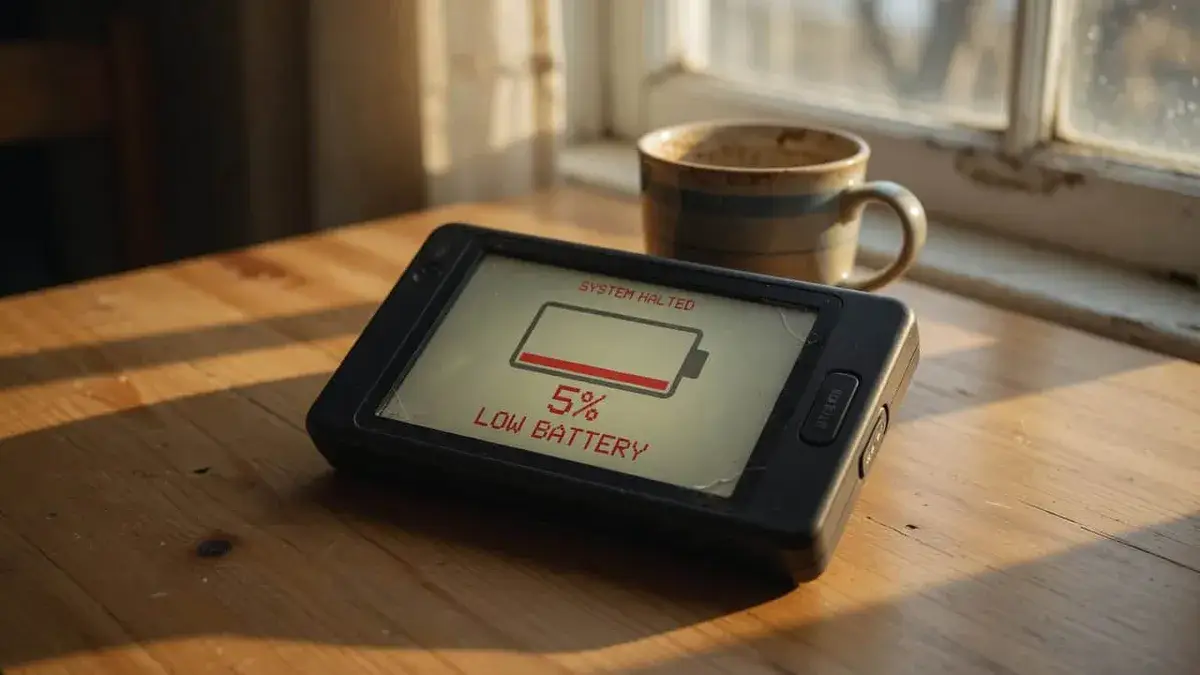
Burnout can develop as repeated stress leaves less room for recovery, although some people become aware of it during an acute crisis or sudden inability to keep up. Sleep, concentration, or mood may begin to change before the full pattern is clear.
Topics
How Repeated Stress Can Build Over Time
Allostatic load is one useful concept (opens in a new tab) describing the cumulative physiological cost of adapting to chronic stress.
The body coordinates hormonal, immune, cardiovascular, and metabolic responses to demands. Allostatic load is a research concept (opens in a new tab) for cumulative physiological strain across these systems. It is not a diagnosis that can be established from feeling tired or from a single test.
The Regensburg Burnout Project compared an allostatic load index in people with work-related burnout and a comparison group. The burnout group had higher scores. This association does not establish what caused an individual’s symptoms.
A separate integrative review examined allostatic load and physiological responses to work stress. Its methods and measurement choices need to be considered when interpreting the results (opens in a new tab).
A clinician can consider persistent fatigue, sleep changes, or difficulty concentrating in context. A laboratory result alone cannot answer every question about the pressures (opens in a new tab) affecting daily life.
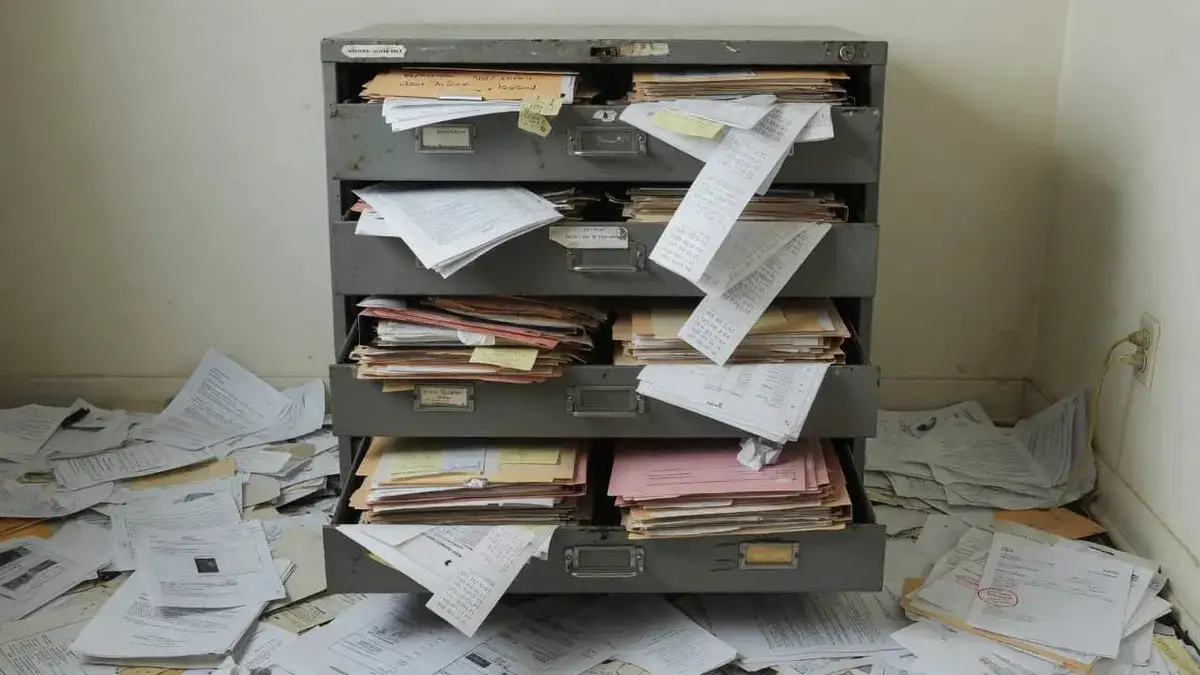
What stress research can and cannot tell you
The hypothalamic-pituitary-adrenal axis helps coordinate hormonal responses to stress. Research (opens in a new tab) on this pathway describes processes across groups and experimental settings, rather than explaining every individual symptom.
Stress responses vary with the demand and the person. Describing a hormonal pathway does not establish what is happening in someone who recognizes themselves in an article.
A 2025 mini-review discusses HPA-axis dysregulation, neuroinflammation, and the hippocampus in chronic stress-associated depressive disorders. It concerns proposed mechanisms and research findings (opens in a new tab), rather than a diagnostic test for burnout.
Human and animal evidence should be distinguished when explaining those mechanisms. Symptoms such as poor sleep or reduced concentration do not establish that the hippocampus has been damaged.
These chronic stress patterns may show up as sleep problems, reduced concentration, or slower recovery after stress. Their meaning varies by person and deserves careful assessment.
When Threat Monitoring Stays Active
Hypervigilance refers to sustained monitoring for possible threat and is often discussed in trauma care. Everyday work strain should not be equated with PTSD. Repeated occupational stress may still leave someone feeling keyed up, distracted, or slow to settle after work.
Threat monitoring can be protective in dangerous situations. When it persists in safer settings, it can interfere with rest, attention, and connection.
Consider a week in which late requests repeatedly delay bedtime. Poor sleep makes the next day harder, so you stay later to catch up and postpone seeing a friend. Clearing the work brings short-term relief. You may learn that extra hours are the only way to keep up, even as the following day begins with less time and energy. This is an illustrative sequence, not a diagnosis.
Looking For Therapy?
Start Here.
Why Insight Alone May Not Resolve Chronic Stress
Cumulative stress can make it harder to notice patterns and respond flexibly, leaving less room for recovery.
A 2025 scoping review (opens in a new tab) examines how chronic stress and clinical burnout are defined and measured, including differences between psychosocial, biological and combined approaches. It does not provide a single trajectory that every person follows.
In the late-work example, apparent improvement needs interpretation. A quieter week achieved by canceling every social plan still leaves important activities out of reach. Ask whether work, sleep and connection are becoming more manageable together.
Insight can help you name a pattern, but practical change may also require sleep support, boundaries, recovery time and skills for responding differently to stress. Therapy can provide a structured place to identify which factors are keeping the cycle going.

What Treatment Can Involve
Addressing cumulative stress often involves both practical and psychological work. Rest may help, but workload, sleep, coping habits, health conditions and relationship pressures may also need attention.
Options a Therapist May Discuss
Cognitive behavioral therapy can help examine the assumptions and actions surrounding the late-work decision. A therapist might ask what would actually happen if a routine task waited and whether extra hours are addressing a real deadline or preventing guilt.
Depending on your history and goals, a therapist may also discuss EMDR, somatic therapy or mindfulness-based work. Square breathing and grounding are optional brief practices some people use to orient to the present. You can stop or choose another approach if focusing on breathing or sensations increases distress.
A therapist can help you choose practical steps that fit your symptoms, history, and current pressures.
The Bridge Between Knowing and Feeling Safe
Therapy may help connect insight about stress with practical change.
A therapist can help separate modifiable working conditions from beliefs about what you must personally prevent. If workloads exceed the hours available, clearer priorities, staffing, or coverage may be needed alongside individual treatment.
For a routine task that can safely wait, you and a therapist might agree on a smaller change and review it afterward. The useful questions (opens in a new tab) include what happened, what you concluded, and how that affects the next similar evening. Persistent or worsening symptoms may also warrant medical evaluation.
How Manhattan Mental Health Counseling Can Help
Manhattan Mental Health Counseling provides psychotherapy by secure live video for clients physically located in New York State during sessions.
MMHC verifies your benefits before your first session and tells you what you will pay. You can review the insurance guide and plan information for Aetna, UnitedHealthcare and Healthfirst.
A free 15-minute screening call is the first step. MMHC’s Therapy Coordinator matches you with a therapist; if the fit is wrong, you can be rematched.
If you need urgent help, use MMHC’s emergency resources. For immediate physical danger, call emergency services. MMHC does not provide crisis or emergency care.
Frequently Asked Questions
What is allostatic load?
Allostatic load is one useful concept describing the cumulative physiological cost of adapting to chronic stress. It is not a diagnosis that can be established from feeling tired or from a single test.
Is everyday work stress the same as PTSD?
Everyday work strain should not be equated with PTSD. Repeated occupational stress may still leave someone feeling keyed up, distracted, or slow to settle after work.
Why is understanding my stress not always enough?
Insight can help you name a pattern, but practical change may also require sleep support, boundaries, recovery time and skills for responding differently to stress.
Looking For Therapy?
Start Here.
Related reading
- Work stress therapy
- Understanding the roots of perfectionism
- Chronic anticipatory anxiety
- The 5 4 3 2 1 grounding technique
- Metacognition is not overthinking its a skill you built to survive
- Online therapy
- Healthfirst coverage
- MMHC emergency resources
Sources
This article is for informational purposes and is not medical advice.
Start Therapy Now or call 212‑960‑8626 to arrange a free 15-minute screening call.
