
Mandarin-Speaking Therapist New York




Navigating mental health challenges can be tough, especially when language and cultural barriers add extra layers of complexity. In 2023, Asian Americans were half as likely (opens in a new tab) as white Americans to seek mental health care, highlighting significant barriers within the community. These barriers are not just statistics; they are lived realities that silence voices and delay healing.
For Mandarin-speaking individuals in New York, finding therapy that honors your unique cultural identity and speaks your language is essential. At Manhattan Mental Health Counseling, our Mandarin-speaking therapists provide more than just therapy; they offer a bridge to understanding, healing, and growth. With extensive experience in addressing the unique challenges faced by Asian communities, we create a space where your voice is truly heard, and your journey toward personal growth is celebrated. Our Mandarin-speaking therapists can help you with anxiety, depression, trauma life transitions among others. Let us guide you toward personal growth, cultural adjustment, and a fulfilling life. Whether you’re navigating anxiety, depression, trauma, or life transitions, our therapists are here to empower you to overcome and flourish.
Begin Your Therapy Journey With Mandarin-Speaking Therapists Who Truly Understand and Inspire Growth.
Benefits of Choosing a Mandarin-Speaking Therapist

Using your native language in therapy makes it easier to capture how you truly feel and express yourself with authenticity. Sharing your struggles, significant life events, and personal challenges in Mandarin without the fear of being misunderstood creates a safe and supportive space. Mandarin-speaking therapists bridge language and cultural gaps, fostering trust and understanding that allows for deeper connections and meaningful progress.
More than understanding various therapeutic techniques, our Mandarin-speaking therapists bring a profound understanding of Asian culture. Whether it’s navigating family dynamics, managing intergenerational trauma, or adjusting to new cultural environments; ultimately, their inclusive approach respects your values and beliefs. Despite nearly 17% of Asian Americans (opens in a new tab) facing mental health challenges, they are three times less likely to seek help than white Americans, often due to stigma or fear of judgment. A compassionate and culturally-attuned therapeutic environment helps you overcome these barriers, empowering you to heal and grow without fear or hesitation.
Therapy in Mandarin empowers you to express your true self, heal deeply, and achieve a more fulfilling life.
In their words
What Clients Say
5,000+ clients since 2014
So far so good! My first appointment with Stephanie went better than expected. She is a great listener, affirming and made me feel comfortable from beginning to end.
Verified patient · Jul 2026 First experience was great! What stood out was her listening and giving feedback for solutions.
Verified patient · Sep 2025 She was great at making me feel comfortable on my first appointment. I know already we are going to click, and she will help me!
Verified patient · Dec 2024 She is so wonderful to talk to, she makes it easy to open up and share while creating a safe space to do so. Highly recommended!
Verified patient · Oct 2024 Even though we weren’t in the same room, she made me feel completely comfortable and connected. Her warm and supportive demeanor came through, even over the screen.
Verified patient · Sep 2024 Sandra is very attentive, a great listener, and offers helpful questions and answers.
Verified patient · Mar 2024
I was able to be paired with a therapist I actually connected with on the first try, which is pretty miraculous. Stephanie is absolutely wonderful. I have been seeing her for 7 months now and my experience has been seamless so far.
Rated 5 of 5. I’ve been a client at this practice for over a year now and it’s been life-changing. The intake was seamless and my therapist is outstanding. Looking forward to continuing my treatment here.
Rated 5 of 5. Over 2 years with my therapist and she’s a 10/10. She has helped me a lot with all of my issues, especially coping with BPD and depression. She’s very accommodating and willing to go above and beyond!
Rated 5 of 5. Intake process was smooth and easy. I love the Telehealth platform used as well. My therapist is great and I love that I am doing my mental health here.
Rated 5 of 5. My therapist is excellent! I am happy with my therapy.
Rated 5 of 5. Kind and patient attention and support as I begin my emotional healing journey in earnest.
Rated 5 of 5.

What Therapy Looks Like With a Mandarin-Speaking Therapist in New York
Individual therapy with a Mandarin-speaking therapist provides a personalized experience, addressing the unique needs of individuals, couples, and families. Whether you're an international student adapting to a new culture, a couple balancing traditional values with modern dynamics, or a family working through intergenerational trauma, therapy provides a culturally sensitive and supportive space for growth and healing.
Therapy is designed around your specific challenges, blending evidence-based approaches with cultural sensitivity. For example, a young professional dealing with work-life balance and family pressures might benefit from a combination of somatic therapy to release stress held in the body and Cognitive Behavioral Therapy (CBT) to reframe unhelpful thought patterns. For a parent navigating family conflict, Psychodynamic Therapy can help uncover deep-seated emotional dynamics. Every therapy session moves you closer to healing and personal growth, improving your quality of life and paving the way for lasting progress.
Experience therapy tailored to your unique Chinese cultural and personal journey.
Featured Mandarin-Speaking Therapists in NYC
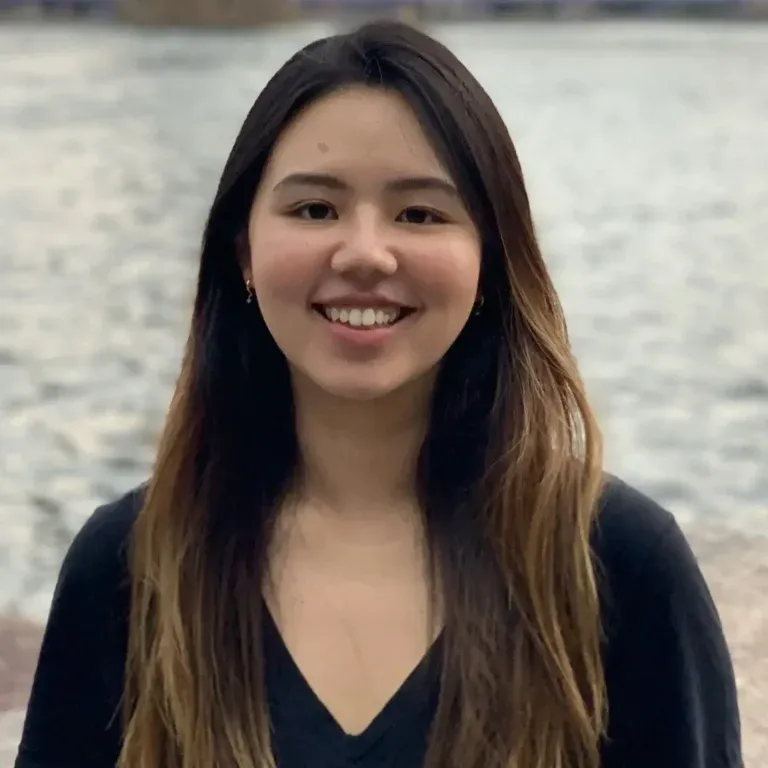
Ingrid Ma, LMHC-D
Ingrid uses a person-centered, relational CBT, integrative approach to empower clients in reframing their narrative, navigating anxiety, depression, trauma, and life transitions, while fostering self-congruency through exploration of relationships, culture, and personal history.

Finding the Right Mandarin-Speaking Therapist in New York
At Manhattan Mental Health Counseling, our team is committed to providing culturally sensitive care for Mandarin-speaking clients. With a blend of evidence-based therapies such as Cognitive-Behavioral Therapy (CBT), IFS, DBT and Psychodynamic Therapy—combined with a deep understanding of the Chinese cultural experience, we foster a therapeutic environment that respects and values your unique needs and beliefs. Whether you’re navigating family dynamics, anxiety, depression, intergenerational trauma, or cultural adjustment, our therapists are here to support you. We are committed to helping you make meaningful progress and achieve personal fulfillment in a safe and understanding environment.
Unlock your true potential with culturally sensitive, Mandarin-speaking therapists who empower you to heal, grow, and thrive.
Frequently Asked Questions
We have compiled answers to the most commonly asked questions about sessions with a Mandarin-speaking therapist in New York. If you don't find the answer you're looking for, please contact our support team.
What Issues Can Be Addressed in Therapy?
Mandarin-speaking therapists can help you with a wide range of mental health issues, including:
- Anxiety: Struggling with overwhelming worry, fear, or panic that affects your daily life. Therapy can help you manage symptoms and develop healthy coping mechanisms.
- Depression: Feeling persistently sad, empty, or hopeless. A Mandarin-speaking therapist can support you in exploring the root causes and finding ways to regain emotional balance.
- Intergenerational trauma: Experiencing the impact of past family trauma passed down through generations. Your inclusive therapist can help you break harmful cycles and promote healing within your family.
- Family issues: Navigating conflicts or strained relationships within the family, such as communication difficulties or generational differences. Therapy provides a space to improve understanding and connection.
- Cultural identity struggles: Balancing different cultural expectations or feeling torn between multicultural identities. A Mandarin-speaking therapist can guide you in embracing both your cultural heritage and your personal identity.
- Life transitions: Facing significant changes, such as moving to a new country, career shifts, or relationship changes. Therapy can help you adjust and find new strategies to navigate these challenges.
Therapy provides a safe space to explore these challenges in life and find resolutions. For instance, if you're dealing with cultural expectations from your family, your therapist can help you navigate these challenges while guiding you toward a more balanced and fulfilling path forward.
How Can a Mandarin-Speaking Therapist Help Me Navigate Psychological Issues, Such as Anxiety and Relationship Problems?
Our Mandarin-speaking therapists provide culturally sensitive care to bilingual clients, helping them overcome psychological issues like anxiety, relationship problems, and other personal challenges. They tailor sessions to address their unique needs through evidence-based therapy approaches such as Cognitive-Behavioral Therapy (CBT) or Dialectical-Behavioral Therapy (DBT). This therapeutic relationship fosters trust and understanding, allowing you to express your emotions freely and develop healthy coping strategies for distress tolerance. Ultimately, you’ll make meaningful progress while developing healthier habits that support optimal health.
Bilingual clients benefit from therapy in their native language, as it allows for ease of communication and a deeper connection with their therapist, especially when navigating difficult times and describing the complexity of their experiences. Moreover, bilingual therapists help clients address complex emotional disturbances and challenges in their daily lives, guiding them toward positive change and balance.
How can therapy support me in navigating life transitions?
Therapy offers a supportive space to help you face pivotal life events and challenges in life, wherever you are on your journey. Bilingual therapists understand the psychological complexities of these major life transitions and help you manage intense emotions and uncertainties with greater confidence. For instance, anxiety therapy can provide strategies to manage overwhelming feelings associated with life changes, while evidence-based techniques focus on reframing negative thought patterns and fostering resilience.
Through therapy, you’ll also develop core skills like emotional regulation, effective communication, and problem-solving, which are essential for improving interpersonal relationships and understanding your personal identity during times of change. A bilingual therapist not only helps you bridge cultural or linguistic gaps but also empowers you to make consistent progress in therapy. With their guidance, you’ll gain the clarity and tools needed to face life’s uncertainties with confidence and adaptability.
What Types of Therapy Would Work for Me?
The most effective therapy is tailored to your unique needs and goals.
Cognitive-Behavioral Therapy (CBT) is great for anxiety disorders and depression, as it helps reframe negative thoughts and promotes actionable coping strategies. Dialectical-Behavioral Therapy (DBT) is helpful for managing emotions and creating healthier relationships. For challenges like cross-cultural or intergenerational issues, a more holistic approach may be ideal, addressing these complexities while respecting your cultural background and values.
What If I’m Not Sure Therapy Is Right for Me?
It’s normal to feel unsure about starting therapy. During your initial consultation, a Mandarin-speaking therapist will provide a welcoming space to discuss your concerns and address any questions. This session provides a safe, supportive space to explore whether therapy aligns with your needs and comfort level.
At Manhattan Mental Health Counseling, we understand that starting therapy is a big step, and we’re here to guide you every step of the way. Even if you’re unsure, we encourage you to give it a try—therapy can be a big help, including finding greater clarity, confidence, and the support you need to move forward.
What Languages Besides Mandarin Are Supported?
In addition to Mandarin and English, some of our therapists are fluent in Cantonese and Spanish—providing flexibility for bilingual clients. This enables therapists to address cultural nuances with a deep understanding of both languages and cultures.
Can Therapy With a Mandarin-Speaking Therapist Work in an Online Setting?
Absolutely! Online therapy provides the same level of professionalism and support as in-person sessions. This option is especially valuable for those with busy schedules or those living in areas where Mandarin-speaking therapists may not be easily accessible, making therapy a convenient and practical option for all.
How Can Couples Therapy Help Partners Navigate Cross-Cultural and Intergenerational Issues?
Couples therapy provides a nonjudgmental space for partners to address the complexities of cross-cultural and intergenerational challenges. Many couples face difficulties stemming from multicultural identities, intergenerational factors, or differing cultural values and expectations.
By fostering open communication and mutual understanding, therapy creates a foundation for healthier relationships and long-term fulfillment. Through tailored approaches, such as somatic therapies that address behavioral challenges on a mind-body level, couples can deepen their emotional connection.
An initial consultation allows partners to discuss their specific concerns and begin exploring how couples therapy can address both cultural issues and deeply rooted intergenerational factors. Approaches like somatic therapy can further support couples by addressing behavioral challenges on a mind-body level, promoting a deeper emotional connection. This holistic approach helps partners embrace their differences, honor shared values, and work collaboratively toward creating a harmonious partnership and a more fulfilling life together.
Can I Use My Insurance for Therapy?
Absolutely, Manhattan Mental Health Counseling accepts most major New York insurance plans, making therapy affordable and accessible to New Yorkers. We’ll verify your insurance and let you know your exact copay, which typically ranges from $0-$70 per session.
We proudly accept:
Have questions about your plan? Don’t hesitate to call us at 212‑960‑8626—we’re here to help!
Get Started Today
We’d love to hear from you! After you submit the form, you'll receive an email with a link to book a screening call at your convenience. We're excited to help you on your journey!