

Online Therapy Covered by Aetna
Every MMHC therapist is in-network with Aetna, with openings this week. We verify your exact copay before session one.

$20.25
average Aetna copay
five days
often the wait for a first session
5,000+
clients since 2014
- NYS-licensed clinicians · LMHC, LMHC-D
- Outcome-tracked care · PHQ-9 & GAD-7 measures
- HIPAA-secure video · Private, encrypted sessions
- Human-led matching · Rematch anytime, free
Manhattan Mental Health Counseling (MMHC) is in-network with Aetna and accepting new Aetna patients across New York State, online by secure video. Every one of our 100+ therapists takes Aetna, so you are matched on fit rather than on who accepts your plan. The average Aetna member here pays $20.25 per session, and your first session is often within five days.
Quick answers
Quick Answers About Aetna Therapy
- 1
Does Aetna Cover Therapy in New York?
Yes. Aetna behavioral health benefits cover outpatient psychotherapy for New York members, and most plans require no referral for routine therapy.
- 2
How Much Does Therapy Cost With Aetna?
The average Aetna member at MMHC pays $20.25 per session (Q2 2026 billing data). We confirm your exact copay before your first appointment.
- 3
Do You Accept Aetna Insurance?
Yes. Every MMHC therapist is in-network with Aetna, and we are accepting new patients for online therapy across New York State.
- 4
How Fast Can I Start Therapy?
Usually within a week, often within five days of reaching out. We respond and verify your Aetna benefits within 24 hours.
- 5
Do You Have Aetna Psychologists?
MMHC's clinicians are Licensed Mental Health Counselors (LMHCs) rather than psychologists, and all 100+ are in-network with Aetna for outpatient psychotherapy. LMHCs provide the same talk therapy, including CBT, DBT, EMDR, and IFS, for anxiety, depression, trauma, and related conditions. We do not provide psychological testing or medication management.
- 6
Are There Aetna Therapists Near Me?
Yes. Our Aetna therapists see clients in Manhattan, Brooklyn, Queens (including Glendale, Astoria, Forest Hills, and Flushing), the Bronx, Staten Island, and across New York State by secure video. Distance is not a factor, so we match you on fit rather than location.
- 7
Does Aetna Cover Couples or Marriage Counseling?
Yes, when it is medically necessary treatment for a diagnosed condition, billed as family psychotherapy (CPT 90847). We confirm your plan's rules before you book.
- 8
Is Therapy at MMHC in Person or Online?
Online only. All sessions are 53-minute secure video sessions, available anywhere in New York State.
Coverage
Find an Aetna Therapist in New York

Manhattan Mental Health Counseling is in-network with Aetna and accepting new patients for online therapy across New York State. Every therapist in the practice is in-network with Aetna, so you are not hunting through a directory for the rare in-network name, and on most plans you do not need a referral. Our Therapy Coordinator, Judy Stiffler, verifies your Aetna coverage and confirms your copay. She then matches you to a therapist whose clinical experience fits what brought you in, not just whoever has the next open slot.
About 1 in 4 New York City adults experiences a mental health condition in a given year (NYC DOHMH). Anxiety, depression, burnout, grief, trauma, and relationship strain are common, treatable, and covered under Aetna behavioral health benefits. Every session is video, available anywhere in New York State, with no commute and no waiting room.
Matching is curated by a clinician, based on your goals, your personality, and your clinical needs. If the first match is not the right fit, you switch without restarting intake.
If you are ready to start, call 212‑960‑8626 or use the form below. We will verify your Aetna benefits and tell you your exact copay before your first session.

Most Aetna members owe a copay, not a bill. Among MMHC's Aetna members, about 1 in 4 pay $0 per session and about 9 in 10 pay $30 or less (Q2 2026 billing data). We confirm your number before you book.
Coverage and cost
Does Aetna Cover Mental Health?
Yes. Aetna plans include behavioral health benefits, and outpatient psychotherapy is covered on nearly every plan. Federal law backs this up. Under the Affordable Care Act, mental health treatment is an essential health benefit on ACA-regulated plans. The Mental Health Parity and Addiction Equity Act requires plans that cover mental health care to apply limits no more restrictively than medical and surgical care. New York law adds a telehealth guarantee. Under New York Insurance Law § 3217-h, Aetna cannot exclude covered therapy delivered by video. Your telehealth copay can be no higher than the in-person one.
In practice, most Aetna members can see an in-network therapist for a copay, with no referral and no pre-authorization for routine weekly therapy. Coverage applies when there is a medical necessity for treatment, such as a diagnosed condition like anxiety, depression, PTSD, or ADHD. Higher levels of care, such as intensive outpatient programs, can require prior authorization; standard outpatient therapy does not.
A rare exception: some Aetna international plans exclude mental health benefits, and some of the newest or more experimental services, such as biofeedback, neurofeedback, or bioenergetic therapy, may not be covered. Excluding pre-existing conditions through a waiver is no longer permitted since the Affordable Care Act.
Cost & coverage
How Much Does Therapy Cost With Aetna?
The average Aetna member at MMHC pays $20.25 per session, based on our Q2 2026 billing data across 550 Aetna claims. About 1 in 4 of our Aetna members pay $0, and about 9 in 10 pay $30 or less. Every MMHC client has their exact copay confirmed before their first session, at no charge.
Two terms decide your cost. The copay is the fixed amount you owe at each visit. The deductible is what you spend on care in a year before your plan starts paying. On many Aetna plans, outpatient therapy is covered with a copay from day one and the deductible does not apply; high-deductible health plans (HDHPs) require you to meet the deductible first. We confirm which applies to your plan before you book.
Aetna Therapy Coverage at MMHC
| Aetna plan type | Covers therapy? | In-network with MMHC? | Typical cost to you |
|---|---|---|---|
| Aetna PPO | Yes | Yes | Copay for most members; verified before session one |
| Aetna HMO | Yes | Yes | Copay for most members; verified before session one |
| Aetna Open Access | Yes | Yes | Copay; varies by plan |
| Aetna Choice POS II | Yes | Yes | Copay; varies by plan |
| Aetna Student Health | Yes | Yes | Varies by school plan |
| Aetna Medicare Advantage | Yes | Yes | Different rules; see our Medicare Advantage therapy page |
Outpatient therapy is covered across Aetna plan types, including Choice POS II, PPO, HMO, Open Access, and student health plans. Your copay and deductible vary by plan.
You can also pay with pre-tax dollars. Therapy is a qualified medical expense under IRS Publication 502, so HSA and FSA funds cover copays, coinsurance (your percentage share of a session cost after the deductible), and deductible payments.
Without insurance, self-pay is $200 for the first 53-minute session and $175 per ongoing session, with superbills available for out-of-network reimbursement and a Good Faith Estimate provided under the No Surprises Act. Any benefit quoted before treatment is an estimate based on what Aetna reports. Your final responsibility is set when Aetna processes the claim. Your Explanation of Benefits (EOB, the statement Aetna sends after each claim) shows the result.
Benefits check
What We Verify Before Your First Session
- 1
Your copay for outpatient psychotherapy under CPT code 90837
- 2
Your coinsurance percentage, if your plan uses one
- 3
Your deductible status: the amount and how much of it you have met this plan year
- 4
Your network status with the specific clinician we are matching you to
- 5
Whether your plan requires a referral or prior authorization
- 6
Any session cap or plan-specific rule on outpatient mental health visits
Not Sure Which Aetna Plan You Have?
You do not need to figure it out alone. We verify everything for you before your first session and explain your exact cost clearly.
Methods
What Types of Therapy Does Aetna Cover?
Aetna covers evidence-based psychotherapy by medical necessity, so the method your therapist uses matters less to Aetna than the diagnosis being treated. That gives you and your therapist room to use the approach that fits. Common covered approaches at MMHC include:
Psychodynamic therapy is talk therapy that works to surface the thoughts and emotions driving a person's behavior and relationships.
Cognitive Behavior Therapy (CBT) is a goal-oriented therapy that changes the negative thought and behavior patterns keeping a problem in place.
Dialectical Behavior Therapy (DBT) helps people manage intense emotions and change behaviors that are not serving them.
Internal Family Systems (IFS) works with the different parts of a person's inner life to resolve internal conflict. Family therapy, which improves communication and resolves conflict within a family, is also covered when medically necessary.
Certain exclusions and limits can apply by plan. Aetna's Clinical Policy Bulletins describe which services Aetna considers medically necessary or experimental. You can also call our office at 📞 212‑960‑8626 and we will check your coverage for you.
Couples
Does Aetna Cover Couples Therapy or Marriage Counseling?
Yes, when it is medically necessary. Aetna covers couples or family sessions as treatment for a diagnosed mental health condition. When one partner is the identified patient with a diagnosis like depression, anxiety, or PTSD, sessions with both partners present are billed as family psychotherapy (CPT 90847). They are covered when medically necessary. General relationship coaching without a clinical diagnosis is usually not covered.
MMHC offers couples counseling and family therapy as in-network Aetna care in New York. During your intake call, our Therapy Coordinator confirms whether your specific plan covers relationship-focused sessions and what your copay will be.
Referral
Do I Need a Referral to See an Aetna Therapist?
No for most Aetna plans. You can start routine outpatient therapy directly with an in-network therapist, without a referral or pre-authorization from a primary care doctor.
Two exceptions worth knowing: some Aetna Student Health plans require a referral from your campus health center, and higher levels of care such as intensive outpatient programs can require prior authorization. Standard weekly therapy does not. We check your plan's rules when we verify your benefits, so you find out before your first session rather than on your first bill.
Eating disorders
Does Aetna Cover Eating Disorders?
Yes. Aetna covers outpatient therapy for eating disorders with an in-network therapist, typically as a weekly session with a clinician who specializes in this work.
Depending on severity, a higher level of care can be the right starting point. Your plan's Summary of Benefits lists that coverage under "Inpatient Mental Health" or intensive outpatient benefits, and those tiers can require prior authorization. To confirm your outpatient benefits, check the "Outpatient Mental Health" line item or call us at 📞 212‑960‑8626 and we will check for you.
Why MMHC
Why MMHC Is Different for Aetna Members
We verify your Aetna coverage before your first session, so you know your exact copay up front. With insurance, the hard part is rarely whether therapy is covered; it is knowing what you will actually owe. Our Therapy Coordinator, Judy Stiffler, calls Aetna, confirms your behavioral health benefits, checks how your deductible applies, and tells you your copay before you commit to anything, a check that usually takes about 5 minutes. You start therapy knowing the number, not guessing from a benefits PDF or waiting on hold yourself.
If the first therapist is not the right fit, you switch without restarting intake. Research on what makes therapy work points to the client-therapist relationship as one of the most reliable predictors of outcome (Flückiger et al., 2018). The same holds for online therapy. A 2024 noninferiority study found that both the alliance and clinical outcomes in teletherapy match in-person care (Davis et al., 2024). Matching you well the first time matters, and changing course when it is not working should be simple, not a reason to drop out.
Depth of bench. 100+ therapists across named modalities (CBT, DBT, EMDR, IFS, somatic approaches, and more), matched to your specific concern rather than to whoever is free.
Plus, for Aetna members specifically:
Every MMHC Therapist Is In-Network With Aetna.
You are matched from the full 100+ bench, not a narrow sub-panel of whoever happens to take your plan.
In-Network Billing, Not Reimbursement Chasing.
You pay your copay; we submit the claims.
No In-Network Wait Queue.
In-network clients are seen as quickly as self-pay clients.
Outcome-Tracked Care.
Progress is measured with PHQ-9 and GAD-7, validated symptom measures for depression and anxiety.
Evening and Weekend Availability.
So therapy fits a working schedule.
Coverage Continuity Through Plan Changes.
If your Aetna plan changes, we re-verify and keep your care going.
Getting started
How to Get Started With Aetna Therapy
- 1
Reach out. Call 212-960-8626 or fill out the contact form. It takes a couple of minutes.
- 2
We verify your Aetna benefits. We respond within 24 hours, and our Therapy Coordinator, Judy Stiffler, confirms your copay and deductible at no charge before you commit to anything.
- 3
Get matched and book. A clinician curates your match based on your goals, personality, and clinical needs, and your first session is often within five days of reaching out.
- 4
Start therapy from home. Join your 53-minute secure video session from anywhere in New York State.
Conditions and methods
Comprehensive Mental Health Conditions and Treatment Methods Covered
Our 100+ therapists are experienced in addressing a broad variety of mental health concerns and utilizing a wide variety of therapeutic modalities.
- Anxiety
- Depression
- Self Esteem
- Trauma
- Family Issues
- Coping Skills
- CBT Therapy
- EMDR Therapy
- Life Transitions
- OCD Therapy
- Social Anxiety
- Men's Issues
- Domestic Abuse
- Phobias
- Porn Addiction
- ADHD
- Burnout Issues
- DBT Therapy
- Anger Management
- PTSD
- Work Stress
- Grief
- Marriage Counseling
- Eating Disorders
- Spirituality
- Young Adults
- LGBTQ
- Substance Abuse
- Sexual Abuse
- Parenting
- Somatic Therapy
- Women's Issues
- Panic Disorder
- Executive Therapy
- Resilience
- Peak Performance
- IFS Therapy
- Polyvagal Therapy
- Holistic Therapy
Member questions
Questions to Ask Aetna About Your Coverage
You can confirm your own benefits in a few minutes. Call Member Services at the number on the back of your Aetna card. You can also sign in to your Aetna member portal (opens in a new tab) and open your Summary of Benefits under "Outpatient Mental Health." Psychotherapy falls under outpatient mental health services.
Aetna Member Services
Call the number on the back of your Aetna member ID card
Or check your Summary of Benefits in the Aetna member portal
Good questions to ask:
- 1
What is my copay or coinsurance for outpatient mental health, specifically CPT 90837 (a standard 53-minute individual therapy session)?
- 2
Does my deductible apply to outpatient mental health, or do I owe only the copay?
- 3
Is there a separate behavioral health deductible, and how much of it has been met?
- 4
Is couples or family therapy (CPT 90847) covered when one partner has a diagnosed condition?
- 5
Is there a cap on the number of therapy sessions per year?
If you would rather not do this yourself, we will. When you schedule your first session, our Therapy Coordinator verifies your Aetna coverage and tells you your copay and deductible, if any, before you begin.
In their words
What Clients Say
5,000+ clients since 2014
So far so good! My first appointment with Stephanie went better than expected. She is a great listener, affirming and made me feel comfortable from beginning to end.
Verified patient · Jul 2026 First experience was great! What stood out was her listening and giving feedback for solutions.
Verified patient · Sep 2025 She was great at making me feel comfortable on my first appointment. I know already we are going to click, and she will help me!
Verified patient · Dec 2024 She is so wonderful to talk to, she makes it easy to open up and share while creating a safe space to do so. Highly recommended!
Verified patient · Oct 2024 Even though we weren’t in the same room, she made me feel completely comfortable and connected. Her warm and supportive demeanor came through, even over the screen.
Verified patient · Sep 2024 Sandra is very attentive, a great listener, and offers helpful questions and answers.
Verified patient · Mar 2024
I was able to be paired with a therapist I actually connected with on the first try, which is pretty miraculous. Stephanie is absolutely wonderful. I have been seeing her for 7 months now and my experience has been seamless so far.
Rated 5 of 5. I’ve been a client at this practice for over a year now and it’s been life-changing. The intake was seamless and my therapist is outstanding. Looking forward to continuing my treatment here.
Rated 5 of 5. Over 2 years with my therapist and she’s a 10/10. She has helped me a lot with all of my issues, especially coping with BPD and depression. She’s very accommodating and willing to go above and beyond!
Rated 5 of 5. Intake process was smooth and easy. I love the Telehealth platform used as well. My therapist is great and I love that I am doing my mental health here.
Rated 5 of 5. My therapist is excellent! I am happy with my therapy.
Rated 5 of 5. Kind and patient attention and support as I begin my emotional healing journey in earnest.
Rated 5 of 5.
Accepting new patients
Aetna In-Network Therapists in New York Accepting New Patients
Manhattan Mental Health Counseling is a New York State telehealth psychotherapy practice founded in 2014, with 100+ therapists and 5,000+ clients served. Every MMHC therapist is in-network with Aetna, and Aetna is one of thirteen plans the practice accepts; the full list is on our insurance page. The practice is accepting new patients, all care is delivered by 53-minute secure video sessions across New York State, and benefits are verified before the first session. It is rated 4.0 on Google.
If you have been searching for an Aetna therapist "near me," online therapy removes the geography problem entirely. Every session is video, so a strong in-network match is available to you whether you are in Manhattan, Brooklyn, the Bronx, Staten Island, Queens neighborhoods like Glendale, Astoria, Forest Hills, and Flushing, or Buffalo, Rochester, Albany, and anywhere else in New York State. No commute, no in-person office visit, no separate wait queue for in-network clients, and evening and weekend appointments.
You can also tell us what matters in a match: specialty, therapy approach, therapist gender, language (including Mandarin and Cantonese), or schedule. We accommodate preferences where availability allows. The primary credential at MMHC is LMHC (Licensed Mental Health Counselor); some clinicians practice under qualified supervision as limited-permit holders, as New York law allows. Ask for any clinician's exact credential and license status before booking, or verify any New York license through the New York State Office of the Professions.
Our therapists
Meet Some of Our Aetna Therapists

Natalie Buchwald, LMHC-D
License #D4643
Natalie is the founder of Manhattan Mental Health Counseling. Her treatment approach emphasizes the mind-body connection, combining experiential techniques with practical, results-oriented methods.

Dr. Sandra Vazquez, LMHC
License #5190
Dr. Sandra Vazquez, guides individuals through complex trauma and mood challenges with a collaborative, culturally sensitive approach that fosters safety, trust, and empowerment, creating spaces for authentic growth and healing, particularly within BIPOC communities.
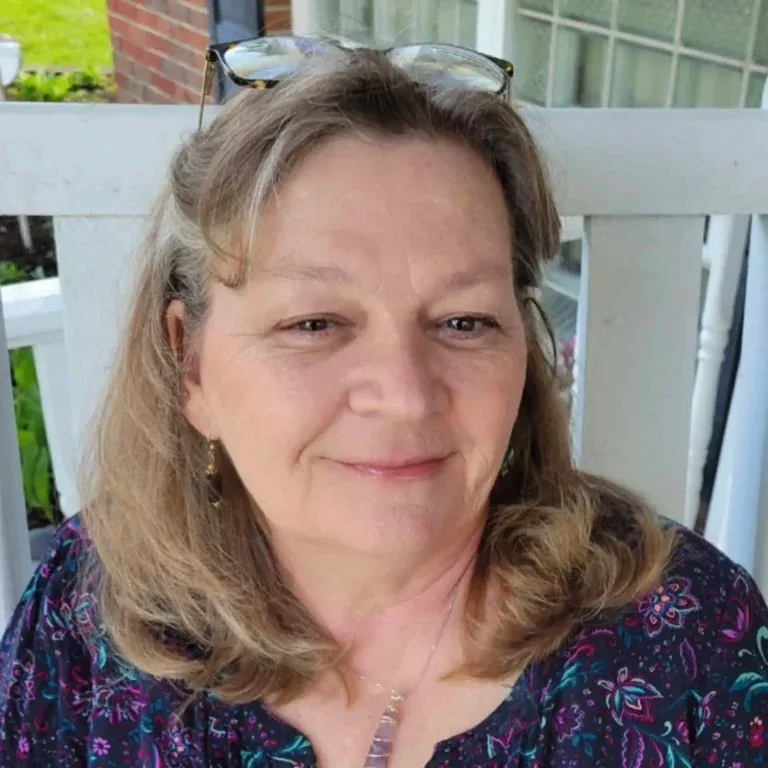
Sandra Swartwout, LMHC-D
License #D10616
Sandra uses various therapeutic techniques, including EMDR, CBT, and Mindfulness-Based Therapy, to encourage healing and growth within a safe and empowering counseling environment.
Common questions
Aetna Therapy FAQ
If you do not see your question here, contact our support team. Call 212‑960‑8626
Does Aetna Cover Therapy?
Yes. Aetna covers outpatient mental health treatment, including individual psychotherapy and, when medically necessary, couples and family therapy. Most plans require no referral for routine therapy.
Does Manhattan Mental Health Counseling Accept Aetna?
Yes. Every therapist in the practice is in-network with Aetna, and we are accepting new Aetna patients for online therapy across New York State. Call 212-960-8626 or use the form below, and our Therapy Coordinator will verify your benefits and schedule your first session.
Does Aetna Cover Online Therapy in New York?
Yes. Under New York Insurance Law section 3217-h, Aetna cannot exclude a covered therapy service because it is delivered by telehealth. Your telehealth copay, coinsurance, or deductible must be at least as favorable as for the same service in person. All MMHC sessions are secure video, so you can attend from anywhere in New York State; you need to be physically located in New York during each session.
Is Therapy at MMHC in Person or Online?
Online only. MMHC has no in-person appointments in Manhattan or anywhere else. Every session is a 53-minute secure video session with a therapist who is in-network with Aetna, available wherever you are in New York State.
How Much Does Therapy Cost With Aetna?
Your Aetna copay depends on your plan. The average Aetna member at MMHC pays $20.25 per session, about 1 in 4 of our Aetna members pay $0, and about 9 in 10 pay $30 or less (Q2 2026 billing data). On many plans you owe only the copay from day one; high-deductible health plans (HDHPs) require you to meet the deductible first. We verify your exact copay before your first appointment, at no charge.
What Is the Average Aetna Therapy Copay?
$20.25 per session for Aetna members at MMHC, based on our Q2 2026 billing data across 550 Aetna claims. This applies to a standard 53-minute session billed as CPT 90837. About 1 in 4 of our Aetna members pay $0, and about 9 in 10 pay $30 or less.
Does Aetna Cover Couples Therapy or Marriage Counseling?
Aetna covers couples or family sessions as treatment for a diagnosed mental health condition. When one partner is the identified patient with a diagnosis such as depression, anxiety, or PTSD, sessions with both partners present are billed as family psychotherapy (CPT 90847) and covered when medically necessary. General relationship coaching without a clinical diagnosis is usually not covered. MMHC offers couples and family therapy, and during your intake call we confirm whether your plan will cover it.
Do I Need a Referral to See an Aetna Therapist?
No for most Aetna plans. You can start routine outpatient therapy directly with an in-network therapist, without a referral or pre-authorization. Some Aetna Student Health plans require a referral from your campus health center. Higher levels of care such as intensive outpatient programs can require prior authorization. We check your plan's rules when we verify your benefits.
How Many Therapy Sessions Does Aetna Cover?
Most Aetna plans do not cap the number of medically necessary therapy sessions. Federal parity law (the Mental Health Parity and Addiction Equity Act) requires plans that cover mental health care to treat its limits no more restrictively than medical ones. Some plans review continued care after a number of sessions, so coverage depends on ongoing medical necessity rather than a fixed annual cap. We verify your specific benefits before you start.
Does Aetna Cover Therapy for Eating Disorders?
Yes. Aetna covers outpatient therapy for eating disorders with an in-network therapist. More intensive levels of care can require prior authorization and a higher benefit tier, which your plan's Summary of Benefits lists under inpatient or intensive outpatient mental health.
Can I Use an HSA or FSA to Pay for Aetna Therapy?
Yes. Therapy is a qualified medical expense (IRS Publication 502), so you can use HSA or FSA pre-tax dollars toward your Aetna copays, coinsurance, or deductible. MMHC provides itemized receipts on request.
How Fast Can I Start Therapy With Aetna at MMHC?
Most new clients have their first session within a week, often within five days of reaching out. We respond and verify your Aetna benefits within 24 hours, and there is no separate wait queue for in-network clients.
Does Aetna Cover Therapy on My Specific Plan (Choice POS II, PPO, HMO, or Student)?
Yes. Outpatient therapy is covered across Aetna plan types, including Choice POS II, PPO, HMO, Open Access, and student health plans. What changes by plan is your copay and deductible, which we verify before your first session.
I Have an Aetna Medicare Advantage Plan. Is That the Same Coverage?
No. Medicare Advantage mental health coverage works differently from commercial Aetna plans. See our Medicare Advantage therapy page for how that coverage works, or call us and we will verify your specific plan.
How Does Billing Work After I Start?
For in-network care, MMHC submits your Aetna claims for you; you pay only your copay or other member responsibility. Aetna then issues an Explanation of Benefits (EOB) showing how the claim processed. If the EOB differs from your pre-session estimate, contact us and our billing team will review the claim; depending on the issue, that can mean a correction, a resubmission, or an appeal through Aetna.
What Happens in the First Session, and How Long Are Sessions?
Your therapist reviews what brought you in, your history, and your goals, and together you agree on a starting plan. Every session is 53 minutes by secure video, billed to Aetna as CPT 90837, and most clients attend weekly.
Are Your Therapists Licensed in New York, and How Can I Verify a License?
The primary credential at MMHC is LMHC (Licensed Mental Health Counselor). Some clinicians practice under qualified supervision as limited-permit holders, as New York law allows. You can ask for any clinician's exact credential and license status before booking, and verify any New York license through the New York State Office of the Professions.
Do You Have Aetna Psychologists, or Only Therapists?
MMHC's clinicians are Licensed Mental Health Counselors (LMHCs) rather than psychologists, and all 100+ are in-network with Aetna for outpatient psychotherapy. An LMHC provides the same talk therapy a psychologist provides for most concerns, including CBT, DBT, EMDR, and IFS for anxiety, depression, trauma, OCD, and ADHD. What we do not provide is psychological testing or medication management; if you need either, Aetna member services can locate an in-network provider and your MMHC therapist can coordinate with them.
Does MMHC Offer Psychiatry or Medication Management?
No. MMHC is a psychotherapy practice and does not provide psychiatry, medication management, or psychological testing. If you need a medication evaluation, Aetna member services can help you find an in-network prescriber, and your MMHC therapist can coordinate care with them.
Are There Aetna Therapists Near Me in Queens, Brooklyn, or Anywhere Else in New York?
Yes. Because every session is secure video, your location does not limit your options. We see Aetna members in Manhattan, Brooklyn, Queens (including Glendale, Astoria, Forest Hills, and Flushing), the Bronx, Staten Island, Long Island, Buffalo, Rochester, Albany, and everywhere else in New York State. You need to be physically located in New York during each session, and we match you on clinical fit rather than on distance.
What Is the Cancellation Policy?
Cancellation terms are part of the financial agreement you receive at intake, before any billable session. Insurance does not cover missed-session or late-cancellation fees, so any such charge is the client's responsibility. The current policy is posted on our cancellation page.
Get started
Ready to Get Started With an Aetna Therapist in New York?
Manhattan Mental Health Counseling is accepting Aetna members in New York. After you submit the form below, you will receive an email within 24 hours with a link to schedule a screening call at your convenience. Our intake team will verify your Aetna benefits, including your copay, before your first session.
- In-Network with Aetna
- Servicing New York State Residents
- 100% Virtual Telehealth Sessions
- 100+ In-Network Therapists
- 5,000+ clients since 2014
- 4-Star Average Rating on Google Reviews
Prefer to talk? Call 212‑960‑8626
Scope and safety
A Note on Scope and Crisis Support
MMHC provides scheduled outpatient psychotherapy and does not provide psychiatry, medication management, psychological testing, or emergency care. If you or someone else is in immediate danger, call 911 or go to the nearest emergency room. In the United States, call or text 988 for the Suicide & Crisis Lifeline. More options are on our emergency resources page.
Note: This page is for informational purposes and is not medical advice. If you have persistent or concerning symptoms, consult a licensed medical professional.
CPT® is a registered trademark of the American Medical Association.
References
1. Aetna. Mental and emotional health (member resources). https://www.aetna.com/individuals-families/mental-emotional-health.html (opens in a new tab)
2. Centers for Medicare & Medicaid Services. The Mental Health Parity and Addiction Equity Act (MHPAEA). https://www.cms.gov/marketplace/private-health-insurance/mental-health-parity-addiction-equity (opens in a new tab)
3. HealthCare.gov. Mental health and substance abuse coverage. https://www.healthcare.gov/coverage/mental-health-substance-abuse-coverage/ (opens in a new tab)
4. NYC Department of Health and Mental Hygiene. The State of Mental Health of New Yorkers. https://www.nyc.gov/assets/doh/downloads/pdf/mh/state-of-mental-health-new-yorkers.pdf (opens in a new tab)
5. Flückiger, C., Del Re, A. C., Wampold, B. E., and Horvath, A. O. (2018). The alliance in adult psychotherapy: A meta-analytic synthesis. Psychotherapy, 55(4), 316-340. https://doi.org/10.1037/pst0000172 (opens in a new tab)
6. Internal Revenue Service. Publication 502: Medical and Dental Expenses. https://www.irs.gov/publications/p502 (opens in a new tab)
7. New York State Office of the Professions. License verification. https://www.op.nysed.gov/verification-search (opens in a new tab)
8. New York Insurance Law § 3217-h. Telehealth Delivery of Services. https://newyork.public.law/laws/n.y._insurance_law_section_3217-h (opens in a new tab)
9. Davis, K. A., Zhao, F., Janis, R. A., Castonguay, L. G., Hayes, J. A., & Scofield, B. E. (2024). Therapeutic alliance and clinical outcomes in teletherapy and in-person psychotherapy: A noninferiority study. Psychotherapy Research, 34(5), 589-600. https://doi.org/10.1080/10503307.2023.2229505 (opens in a new tab)