
Plant Medicine Integration Therapy
Plant medicine integration therapy is a specialized form of psychotherapy that helps people process and make sense of experiences with ayahuasca, psilocybin, and other psychedelics. Integration therapy provides a structured, non-judgmental space to work through these experiences, address any difficult emotions that surfaced, and translate insights into concrete changes in daily life. Manhattan Mental Health Counseling does not administer, sell, or provide ayahuasca or any plant medicine. We provide therapy to support people who have already had these experiences.
Confidential. Most insurance accepted. 100% online.

Integration Approaches
| Integration Approach | What It Involves | Best For | Limitations |
|---|---|---|---|
| Individual integration therapy | One-on-one sessions with a therapist experienced in psychedelic integration | Most people; allows personalized processing of specific experiences | Requires finding a therapist with integration experience |
| Group integration circles | Sharing experiences with others who have used plant medicine | Community support, normalization of experiences | Not a substitute for individual therapy; limited privacy |
| Peer support communities | Informal sharing with others in plant medicine communities | Ongoing support, resource sharing | Varies widely in quality; no clinical oversight |
| Self-directed integration | Journaling, meditation, personal reflection | Mild experiences, people with strong support systems | Can miss deeper patterns; lacks professional guidance |
What Is Ayahuasca Integration and Why It Matters

Ayahuasca and other plant medicine have gained popularity in recent years and even became part of mainstream culture. Aaron Rodger (opens in a new tab) the MVP Green Bay Packers quarterback credited his Ayahuasca experience for helping his mental health and helping him find self-love and support for his professional career.
Celebrities including Russell Brand, Lindsey Lohan, Sting, Chelsea Handler, and Miley Cirus (opens in a new tab), among others, have experimented with Ayahuasca and reported benefiting from it.
What are the potential benefits of Ayahuasca?
Ayahuasca contains the psychoactive compound DMT, which has been shown to increase connectivity and communication between different areas of the brain (opens in a new tab). This altered brain function may promote the potential therapeutic effects of ayahuasca, such as reducing symptoms of anxiety and depression, promoting addiction recovery, and facilitating trauma healing. Ayahuasca has been shown to act against inflammation and oxidative stress (opens in a new tab). Ayahuasca also increases introspection and emotional processing, which can help individuals gain new insights and perspectives on themselves and their experiences.
Experiences with Ayahuasca and other psychedelics can be intense and disorienting. This can involve processing painful and intense emotions and recovering lost memories that were previously suppressed. Ayahuasca is not for the faint of art. It often involves facing realities that many people spend their entire lives avoiding.
Making sense of your Ayahuasca experience and integrating the insights into your daily life can create significant shifts in perspective and propel you toward greater joy and lasting change. Without proper integration, Ayahuasca is at best a momentary escape from the mundane. At worst, Ayahuasca can cause more harm than good by reopening old wounds and creating mental confusion which might worsen preexisting feelings of anxiety depression or stress.
Working with a therapist to integrate your Ayahuasca experience is a necessary part of the integration process. Therapy can help you align your life with the insights gleaned during the ayahuasca experience.
How Therapy Supports Ayahuasca Integration
The integration process involves working with a therapist to process and make sense of the psychedelic experience, address any confusion that arose and align your life with the new insights and ways of being.
Sometimes an integration process is offered to the participant of the plant medicine ceremony. Although this sharing circle might yield some benefit, this is at best a starting point toward integration. Much processing is needed to make sense of the experience and align your behavior with the new insights.
Therapy can help with Ayahuasca integration by providing a space for individuals to process their emotions and experiences in a non-judgmental and supportive environment. Perhaps the psychedelic experience was not what you expected. It might have left you feeling sad, isolated or misunderstood. Therapy can help you process these emotions and make sense of the Ayahuasca experience.
Therapy can also help individuals develop new coping strategies and behaviors that are consistent with the insights gained during their psychedelic journey. For example, someone who has struggled with self-love may have a new perspective on what it means to love themselves and may need support in developing new habits to practice self-love.
Therapy can help with psychedelic integration by addressing any lingering trauma or emotional wounds that may have been uncovered during the plant medicine experience. Plant medicine often bring up unresolved emotions and experiences that require further processing and healing.
Insights gained during the ayahuasca experience can provide a roadmap for growth and transformation. But it is up to you to continue the personal development and internal work. Therapy can help you integrate insights into your daily life.
If you have used or are considering using Ayahuasca or another psychedelic as part of your healing journey, be sure to work with a therapist who has experience with integration to maximize the benefits of this powerful tool.
How Many Therapy Sessions Do I Need to Integrate My Ayahuasca Experience?
Integration is a deeply personal process. There is no set numbers of sessions that will work for everyone. Depending on how deeply the experience has impacted you, therapy might range from a couple of session to a dozen. It might take several therapy sessions to fully integrate the insights gained from an ayahuasca experience. You might benefit from ongoing weekly therapy to help you fully integrate your experiences and make lasting changes in your life.
Do You Administer Ayahuasca or Other Plant Medicine?
No. We do not administer, sell or provide Ayahusca, plant medicine or any other psychedelic. Be mindful, that some of these substances are not legal to consume everywhere and may carry legal risks. We do provide integration therapy in connection with all plant medicine and psychedelics, including Ayahusca.
Frequently Asked Questions About Ayahuasca Integration Therapy
What Is Ayahuasca Integration Therapy?
Ayahuasca integration therapy is psychotherapy that helps people process and make sense of their experiences with ayahuasca and other plant medicines.
Does Manhattan Mental Health Counseling Administer Ayahuasca?
No. We do not administer, sell, or provide ayahuasca, plant medicine, or any other psychedelic.
How Many Therapy Sessions Do I Need for Ayahuasca Integration?
There is no set number of sessions. Some people need a few sessions, while others benefit from several months of weekly therapy.
Can Integration Therapy Help If I Had a Difficult Ayahuasca Experience?
Yes. Integration therapy can help process frightening, confusing, or emotionally raw experiences and support stabilization.
Featured Ayahuasca Integration Therapists
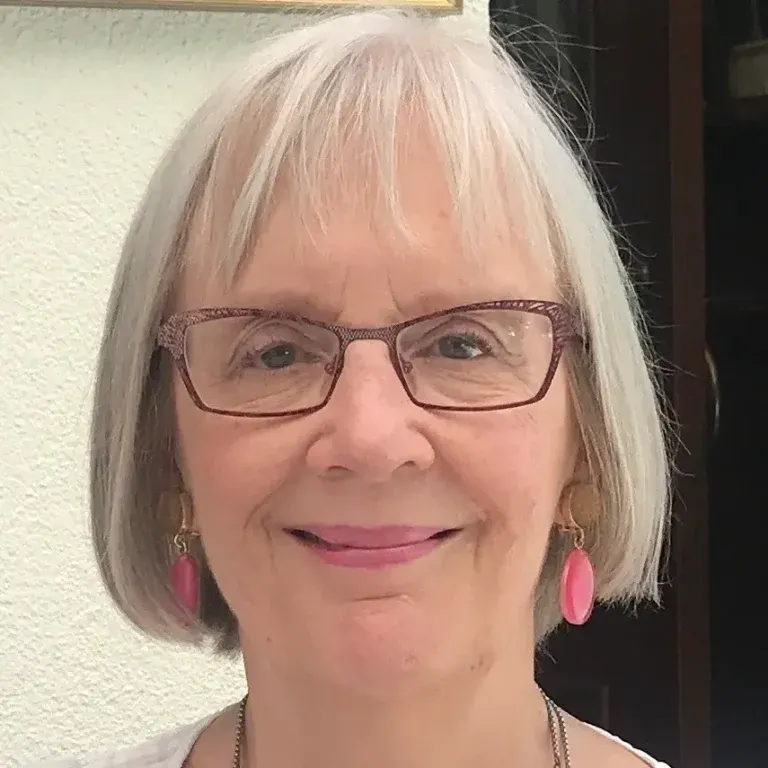
Carol Black, LMHC
Specializes in Healing Complex Trauma and PTSD with EMDR and Somatic Work Dedicated to Building Healthy Relationships with Self and Others Fosters Collaborative and Compassionate Recovery from Addictions
Get Started Today
We’d love to hear from you! After you submit the form, you'll receive an email with a link to book a screening call at your convenience. We're excited to help you on your journey!

Find Ayahuasca Integration Therapists
Filter our therapists by the type of therapy you need.