


Square breathing, or box breathing, is a simple technique that reduces anxiety and promotes calmness. It’s versatile and can be practiced anywhere, even in high-stress environments.
Square breathing is a structured breathing exercise that uses four equal counts: inhale, hold, exhale, and hold again. The predictable rhythm can help slow the body, organize attention, and create a short pause before reacting to stress.
| Square breathing step | What to do | Why it helps |
|---|---|---|
| Inhale | Breathe in gently for a count of four | Brings attention to one simple action |
| Hold | Pause for a count of four without straining | Creates steadiness and interrupts urgency |
| Exhale | Breathe out slowly for a count of four | Signals the nervous system to downshift |
| Hold again | Pause for a count of four before the next inhale | Completes the pattern and keeps the pace even |
This technique is very powerful to take you out of fight-or-flight mode and reset your nervous system.
In fact, the technique is so effective that the United States Navy recommends it to Navy Seals in high-stress environments.
Square breathing is easy to learn and simple to implement. You can do it whether you’re sitting or standing, anxious or calm, alone or in a room full of people.
The Science Behind Square Breathing
Stress activates our sympathetic nervous system, causing shallow, short breaths that heighten anxiety and stress hormones. This triggers our fight-or-flight response, making it difficult to stay calm and make rational decisions. However, controlling our breathing patterns can alleviate stress.
Square breathing helps regain control over breathing during challenging situations. This control activates the parasympathetic nervous system, which assists in relaxation after stress or danger. Focusing on breathing also diverts attention from stressors, promoting centeredness and grounding.
By taking longer, intentional breaths, we signal our nervous system that the stressful experience is ending, leading to a sense of calm and balance.
The result is a sense of calm and equanimity.
Looking For Therapy?
Start Here.
212-960-8626
How To Practice Square Breathing
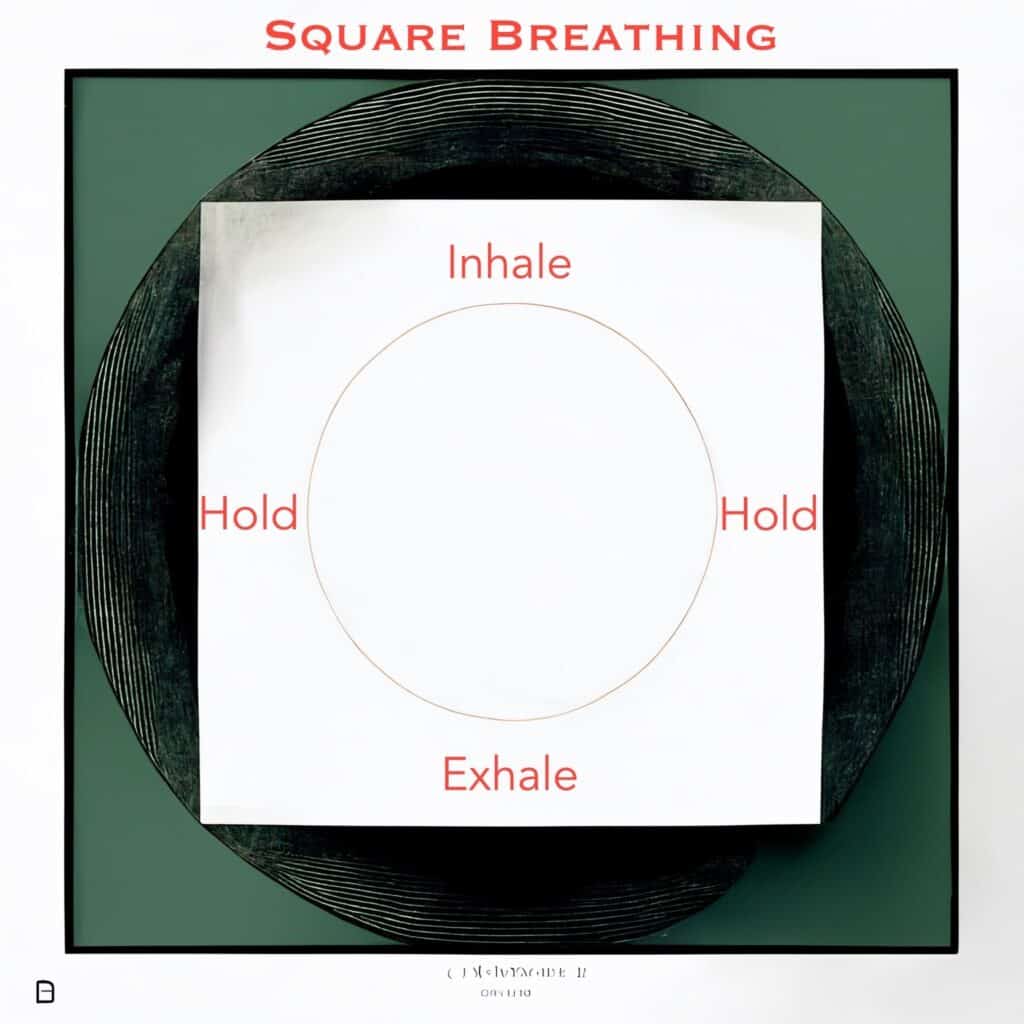
To practice square breathing, follow these steps:
- Exhale completely.
- Inhale through your nose for four counts, visualizing air filling your lungs and stomach.
- Hold your breath and count to four.
- Exhale slowly and count to four.
- Hold your breath again and count to four.
- Repeat until you feel calm and centered.
Square (or box) breathing gets its name because each breath has four sides: in, hold, out, hold.
Start with 4 second intervals and play around with longer interval if you wish.
If you have more time, you can than jump into to a relaxation or meditation session, where you breathe naturally and simply observe your thoughts non-judgmental.
Combining a square breathing sequence with a meditation session might help you get to a deeply meditative and restorative state faster and gain insights.
Additionally, combining square breathing with spiritual therapy can enhance your connection to your inner self, providing a deeper sense of calm and clarity during your practice.
Interested In Learning More Mindfulness Techniques?
Interested in learning more about this and other mindfulness techniques? Our therapists at Manhattan Mental Health Counseling are compassionate, resourceful, and committed to implementing a therapeutic experience that is tailored to your needs and preferences. Contact us today by calling (212) 960-8626 or by using our online contact form.
Frequently Asked Questions About Square Breathing
What is square breathing?
Square breathing is a four-part breath pattern: inhale for four, hold for four, exhale for four, and hold again for four before repeating.
When should I use square breathing?
Use it when you feel stressed, scattered, tense, or overstimulated. It can be helpful before a meeting, during anxiety, or when you need a brief reset.
Is square breathing safe for everyone?
Most people can use it gently, but do not force breath holds. If breathwork causes dizziness, distress, or medical concern, stop and use a simpler grounding strategy or ask a clinician.
How many rounds of square breathing should I do?
Start with three to five rounds. The goal is not perfect calm. The goal is to give your body a steady rhythm long enough to create a little more choice.
About the author: Natalie Buchwald, LMHC-D, is the Founder and Founding Clinical Chair of Manhattan Mental Health Counseling.