




Polyvagal therapy is a transformative approach to healing (opens in a new tab) that helps you move beyond trauma, anxiety, and stress by reconnecting with your body’s natural wisdom. This powerful body-centered therapy taps into the profound connection between mind and body, aligning with the growing recognition that true healing comes from treating the whole person—not just the symptoms. It guides you out of the relentless cycle of survival responses—whether it’s fight, flight, or freeze—and into a state of calm, safety, and genuine connection.
In this space, real healing begins. Whether you're facing complex trauma (opens in a new tab), PTSD, or overwhelming stress, polyvagal therapy provides you with a compassionate path to emotional balance and inner safety. By calming your nervous system, dissolving emotional triggers, and restoring stability, this holistic therapy unlocks strength and peace within you. Polyvagal therapy is ultimately about empowering you to thrive and embrace life with renewed resilience and joy.
Break free from survival mode—polyvagal therapy empowers you to reclaim peace and joy.
Ready to Heal From Trauma and Stress in NYC? Start Your Polyvagal Therapy Journey Today

Overcome Your Trauma or PTSD With Polyvagal Therapy in NYC
Approximately 70% of adults (opens in a new tab) in the U.S. have experienced at least one traumatic event in their lifetime. Trauma can leave you feeling stuck, disconnected, and overwhelmed. This is often rooted in unresolved emotional wounds or painful childhood experiences. And in the hustle of New York City, where stress is constant, these feelings can feel even heavier.
Polyvagal therapy provides a compassionate and proven approach to help you gently regulate your emotional responses, reconnect with your body, and regain a sense of safety and balance. Studies show only about 60% of people with PTSD respond fully to traditional treatments (opens in a new tab), making polyvagal therapy a potent alternative.
Through techniques like mindful breathing and movement, your polyvagal therapist will guide you in releasing the emotional weight of traumatic experiences while building resilience. By retraining your nervous system, polyvagal therapy (PVT) empowers you to break free from survival mode and rediscover lasting peace and stability in your daily life.
With polyvagal therapy, your peace is within reach.
In their words
What Clients Say
5,000+ clients since 2014
So far so good! My first appointment with Stephanie went better than expected. She is a great listener, affirming and made me feel comfortable from beginning to end.
Verified patient · Jul 2026 First experience was great! What stood out was her listening and giving feedback for solutions.
Verified patient · Sep 2025 She was great at making me feel comfortable on my first appointment. I know already we are going to click, and she will help me!
Verified patient · Dec 2024 She is so wonderful to talk to, she makes it easy to open up and share while creating a safe space to do so. Highly recommended!
Verified patient · Oct 2024 Even though we weren’t in the same room, she made me feel completely comfortable and connected. Her warm and supportive demeanor came through, even over the screen.
Verified patient · Sep 2024 Sandra is very attentive, a great listener, and offers helpful questions and answers.
Verified patient · Mar 2024
I was able to be paired with a therapist I actually connected with on the first try, which is pretty miraculous. Stephanie is absolutely wonderful. I have been seeing her for 7 months now and my experience has been seamless so far.
Rated 5 of 5. I’ve been a client at this practice for over a year now and it’s been life-changing. The intake was seamless and my therapist is outstanding. Looking forward to continuing my treatment here.
Rated 5 of 5. Over 2 years with my therapist and she’s a 10/10. She has helped me a lot with all of my issues, especially coping with BPD and depression. She’s very accommodating and willing to go above and beyond!
Rated 5 of 5. Intake process was smooth and easy. I love the Telehealth platform used as well. My therapist is great and I love that I am doing my mental health here.
Rated 5 of 5. My therapist is excellent! I am happy with my therapy.
Rated 5 of 5. Kind and patient attention and support as I begin my emotional healing journey in earnest.
Rated 5 of 5.

What to Expect in a Polyvagal Therapy Session in NYC
A polyvagal therapy session is a journey into understanding how your body reacts to stress and trauma—a crucial first step toward lasting healing. Your therapist will guide you in building awareness, helping you connect physical sensations, such as tightness in your chest or a racing heart, with emotional experiences. During one of your sessions, your therapist can help you notice how your body tenses when discussing deadlines. Together, you’ll explore grounding techniques, like deep breathing, that calm your nervous system and restore balance.
As you progress in your therapeutic journey, you’ll begin to recognize stress patterns in your daily life and use tools to manage them effectively. Over time, you’ll develop a personalized toolkit to manage stress, release emotional burdens, and foster resilience—things that will help you feel more in control and balanced in everyday life.
Rewire your nervous system with polyvagal therapy to find lasting stability, resilience, and renewed well-being.
Featured Polyvagal Therapists NYC
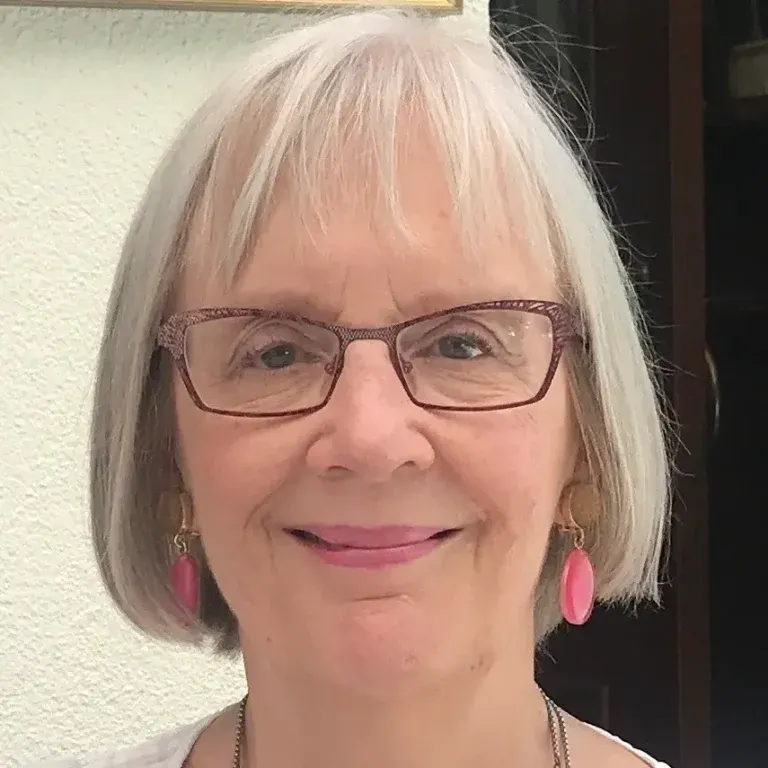
Carol Black, LMHC
Carol collaborates with clients to reframe limiting beliefs and navigate emotional challenges using EMDR, Somatic therapies, and other neurobiological approaches, empowering individuals to embrace their authentic selves and overcome trauma, relationship struggles, and life transitions.

Harneet Bedi, MHC-LP
Helps high-functioning clients slow down and listen to what their bodies have been saying. Integrates EMDR, IFS, and somatic work to process trauma at its roots. Supports adults and couples in moving beyond surface coping toward deeper healing.

Olivia Trudeau, LMHC
Olivia creates a supportive and nonjudgmental space where clients can explore their values and goals, using a blend of CBT, existential therapy, and mindfulness to empower healing and personal growth.

Find Your Polyvagal Therapist in NYC Today
Make lasting changes in your life by connecting with a trained polyvagal therapist in NYC. Your therapist can help you find the relief and deeper healing you deserve. At Manhattan Mental Health Counseling, our integrative providers offer compassionate, personalized care in a private virtual setting where you can feel safe and supported.
We provide in polyvagal-informed therapies, blending trauma-informed techniques to help you heal from the inside out. Whether you’re facing trauma, chronic stress, or anxiety, we provide the tools and support you need to build emotional regulation skills and regain balance in your daily life.
Start your healing journey today and discover the life-changing benefits of polyvagal therapy.
Frequently Asked Questions
We have compiled answers to the most commonly asked questions about Polyvagal Therapy in New York. If you don't find the answer you're looking for, please contact our support team.
What Is Polyvagal Theory?
Polyvagal theory explains that your nervous system has an innate ability to respond to threats or safety through three primary states:
- Safe and Social (Ventral Vagal State): In this state, your ventral vagus nerve supports feelings of calm and connection. You’re able to engage socially, think clearly, and interact with others in a healthy way, fostering social connection and emotional balance.
- Fight-or-Flight (Sympathetic Nervous System): When your body detects danger, you may enter a fight-or-flight response, marked by aggression in response to threats or a readiness to flee. Your heart rate increases, muscles tense, and your body prepares to react.
- Freeze or Shutdown (Dorsal Vagal State): In extreme cases of stress or trauma, the dorsal vagus nerve may trigger a "freeze" response, where you feel numb, disconnected, or unable to act.
As a type of somatic therapy, polyvagal therapy helps you shift from stress or fear responses back to the Ventral Vagal State, where holistic healing occurs and adaptive responses can take place.
With your polyvagal therapist, you can reprogram your nervous system to respond more calmly to stressors, build resilience, and reduce trauma responses—ultimately fostering both a sense of safety and social engagement in your life. Studies show that therapies predicated upon polyvagal theory, like somatic therapy, reduce PTSD symptoms by 40-50% (opens in a new tab) within six months.
How Does Polyvagal Therapy Work?
Polyvagal therapy is a mind-body healing process that helps you understand the relationship between your emotions and physical sensations.
Rooted in Dr. Stephen Porges’ groundbreaking Polyvagal Theory, it highlights how your body’s autonomic nervous system (ANS) helps regulate everything from your heart rate to your ability to respond to stress.
When life feels overwhelming, your body may shift into "fight-or-flight" mode, flooding you with stress hormones, or "freeze," where you feel numb or stuck with feelings of helplessness.
Polyvagal therapy gently guides you to reconnect with your body, helping you move out of survival mode and back into a state of calm and connection. Central to this process is neuroception—your nervous system’s subconscious ability to detect safety or danger. This innate process shapes your emotional and physical responses, determining whether you feel grounded and at ease or stuck in fight, flight, or freeze mode. Through polyvagal therapy, you can retrain this system to perceive the world in a way that promotes safety, connection, and resilience.
The journey begins by tuning into your body’s signals—such as breath, muscle tension, or movement—and engaging in contemplative practices that foster self-awareness and regulation. Over time, you’ll learn practical tools to manage stress, navigate overwhelm, and build resilience.
How Does Polyvagal Therapy Differ From Other Therapeutic Modalities?
Polyvagal therapy (PVT) takes a unique approach to healing by focusing directly on the nervous system’s role in emotional and psychological well-being. Unlike traditional talk therapies that primarily address thoughts and behaviors, PVT works at a physiological level, targeting the body’s autonomic responses to regulate stress and trauma.
This body-centered approach is particularly effective for individuals who may not have found success with conventional therapies. Polyvagal therapy doesn’t just explore cognitive patterns; it addresses the physical manifestations of stress—such as muscle tension, shallow breathing, or a racing heart—and helps clients move out of survival states like fight, flight, or freeze into a place of safety and connection.
By leveraging cues of safety, such as calm environments and grounding techniques, PVT reestablishes nervous system regulation, promoting resilience and long-term healing. Its emphasis on somatic techniques allows clients to shift from reactive survival patterns to adaptive responses, enabling deeper emotional balance and psychological stability.
What truly sets polyvagal therapy apart is its focus on the human experience of connection. Polyvagal therapy recognizes that healing is not just about reducing symptoms but about restoring a sense of safety and trust—both within oneself and in relationships with others. By helping clients understand and shift their physiological states, PVT fosters resilience, emotional freedom, and a deeper sense of well-being.
What Techniques Are Used in Polyvagal Therapy?
Polyvagal therapy uses various techniques to help you feel safe and regulated:
- Grounding Exercises: Practices like diaphragmatic breathing, gentle movements, or humming are introduced to calm your nervous system and release tension.
- Safe Co-Regulation: Your therapist creates a supportive, calming connection through a warm tone of voice, eye contact, and attuned body language, helping you build trust and emotional stability.
- Sensory Awareness: You’ll learn to tune into your body’s signals, like tension or warmth, to better understand and manage stress responses.
- Autonomic Mapping: With your therapist, you’ll identify patterns in your nervous system (e.g., fight, flight, or freeze) and develop strategies to shift into a calmer, more balanced state.
What Issues Can Be Successfully Treated With Polyvagal Therapy?
Polyvagal therapy effectively addresses a wide range of challenges, including:
- Trauma and PTSD: Release the emotional and physical symptoms of trauma like flashbacks, hypervigilance, and emotional neglect.
- Anxiety Disorders and Panic Disorder: As you calm your nervous system, it will reduce the intensity of anxiety and panic and empower you to respond with more confidence and clarity.
- Chronic Stress: You can manage long-term stress and its effects on your body, such as muscle tension, fatigue, and digestive issues through this therapeutic approach.
- Emotional Dysregulation: Cultivate emotional balance and develop tools to stay grounded in difficult situations.
- Relationship Challenges: Deepen emotional connections and resolve relationship issues, fostering healthier, more supportive relationships.
- Physical Symptoms of Stress: Address the physical manifestations of chronic stress, such as pain and exhaustion, and promote overall physical and psychological wellbeing.
Polyvagal therapy (PVT) can complement other therapeutic approaches, such as EMDR and Internal Family Systems (IFS). By integrating both the physiological and psychological dimensions of trauma, PVT provides a holistic and comprehensive pathway to healing, addressing the mind, body, and emotional well-being in unison.
Can Polyvagal Therapy Help With Trauma and PTSD?
Yes, polyvagal therapy is a highly effective approach for addressing trauma and PTSD. Healing from trauma requires a holistic approach that considers the physiological response tied to your emotional states.
As a form of somatic therapy, polyvagal therapy provides an effective way to process unresolved trauma and emotional numbing by helping you reconnect with your body’s natural ability to regulate stress. In clinical practice, your therapist provides a supportive space to guide you through this process, creating a strong sense of safety and fostering emotional regulation. It helps you confront intense feelings associated with trauma and transform them into opportunities for growth.
Over time, polyvagal therapy can help you move from feeling stuck or disconnected to experiencing peace and resilience. By restoring healthy social engagement and attuning to your body’s physiological responses, you can rebuild meaningful relationships and navigate life’s challenges with renewed confidence and ease.
Application Beyond Trauma Treatment
While PVT is effective for trauma and PTSD, its applications extend to managing chronic pain, autoimmune conditions, and enhancing social engagement. By regulating the nervous system, PVT can influence inflammation, pain perception, and improve interpersonal relationships.
Does Polyvagal Therapy Help Beyond Trauma and PTSD?
Absolutely. Polyvagal therapy can offer relief for chronic pain, autoimmune conditions, and difficulties with social connection. PVT works by addressing the body's stress responses, which are closely tied to inflammation and pain perception. By calming the nervous system, polyvagal therapy can have profound psychophysiological effects, including reducing inflammation, enhancing pain management, and fostering deeper, more meaningful connections in relationships.
PVT helps shift your body from survival mode to a state of balance, unlocking its natural ability to heal and connect.
Moreover, the therapy’s emphasis on fostering safety and connection can profoundly improve interpersonal relationships. By creating a sense of internal balance, polyvagal therapy can help individuals engage more authentically and effectively with others, deepening their social bonds and enhancing their overall quality of life.
How Does Polyvagal Therapy in NYC Work in an Online Setting?
Online polyvagal therapy provides the same powerful benefits as in-person sessions—all from the comfort of your home. You’ll connect with your polyvagal therapist through video calls, where they will observe your body language, facial expressions, and tone of voice to assess your nervous system’s state. They will help you regulate your stress and emotions real-time. Through this therapeutic relationship, your therapist will create a safe connection, providing personalized support to foster your personal growth.
During online sessions, your therapist will lead you through polyvagal exercises, such as grounding exercises, breathing techniques, and gentle movements, all designed to help you experience a feeling of safety. These mindfulness practices are just as effective virtually, helping you reconnect with your body and find balance.
Can I Use My Insurance for Polyvagal Therapy?
Absolutely, Manhattan Mental Health Counseling accepts most major New York insurance plans, making polyvagal therapy affordable and accessible to New Yorkers. We’ll verify your insurance and let you know your exact copay, which typically ranges from $0-$70 per session. We proudly accept:
Have questions about your plan? Don’t hesitate to call us at 212‑960‑8626—we’re here to help!
Get Started Today
We’d love to hear from you! After you submit the form, you'll receive an email with a link to book a screening call at your convenience. We're excited to help you on your journey!