



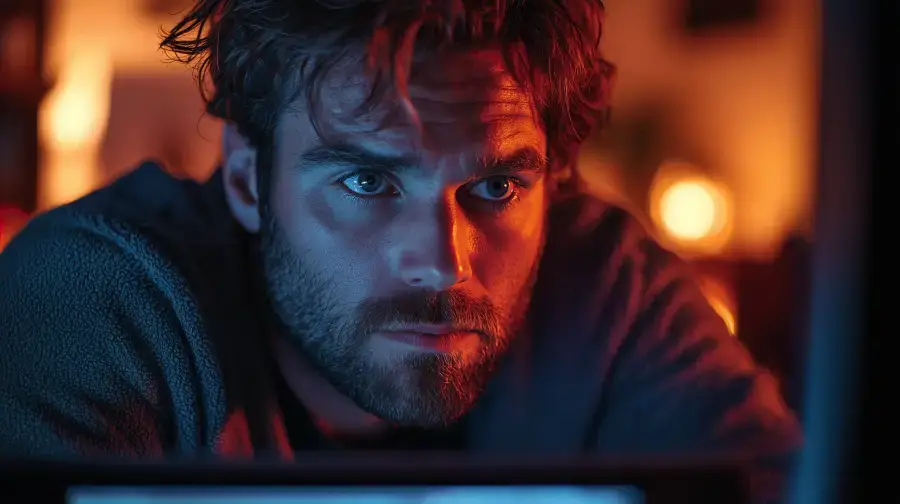
You Told Yourself You Could Stop Anytime—Until the Day You Realized You Couldn’t.
Porn addiction doesn’t happen overnight. What once felt like a way to unwind or escape stress slowly tightened its grip, pulling you in deeper each time. Before you knew it, it started interfering with your focus, your relationships and the things that truly matter. You might find yourself watching more often or relying on it just to get through the day. Each attempt to quit only strengthens the urge, trapping you in a cycle of guilt, frustration and secrecy. It’s exhausting—but you don’t have to go through it alone.
Porn addiction therapy helps you break free by retraining your brain and addressing the compulsive cycles that drive porn addiction. As a behavioral addiction, it alters the brain’s reward system, making urges harder to resist. At Manhattan Mental Health Counseling, we use behavioral addiction therapy to restore self-control, weaken cravings and build healthier coping strategies. Recovery is possible and we’re here to help every step of the way.
Manhattan Mental Health Counseling provides confidential porn addiction therapy in NYC and online across New York. Our licensed therapists use evidence-based approaches including CBT, and we accept most major insurance plans — so most clients pay a copay as low as $0-$30.
Freedom From Porn Addiction Starts With One Step—Let’s Take It Together.

Do you use pornography to cope with stress, boredom, or difficult emotions?
See Where You StandFree · 16 questions · Instant personalized result
Common Signs and Symptoms of Porn Addiction
Is porn use affecting your life? Recognizing the signs is the first step toward regaining control. Porn addiction is about more than just how much you watch—it’s about how it affects your life. Here are key signs to look out for:
Compulsive Viewing:
A persistent urge to watch porn, even when it disrupts responsibilities or personal relationships.
Escalating Content:
Seeking more extreme material to achieve the same level of sexual satisfaction.
Loss of Control:
Repeated, unsuccessful attempts to cut back or stop.
Disrupting Daily Life:
Prioritizing porn over work, social activities or personal goals.
Emotional Distress:
Feelings of guilt, frustration or shame often accompany your porn use.
Strained Relationship:
Secrecy, trust issues or emotional disconnection affect your relationships.
Decreased Interest in Real-Life Intimacy:
Preferring porn over real-world connection and intimacy.
Know the signs. Break the cycle. Reclaim your life.
In their words
What Clients Say
5,000+ clients since 2014
So far so good! My first appointment with Stephanie went better than expected. She is a great listener, affirming and made me feel comfortable from beginning to end.
Verified patient · Jul 2026 First experience was great! What stood out was her listening and giving feedback for solutions.
Verified patient · Sep 2025 She was great at making me feel comfortable on my first appointment. I know already we are going to click, and she will help me!
Verified patient · Dec 2024 She is so wonderful to talk to, she makes it easy to open up and share while creating a safe space to do so. Highly recommended!
Verified patient · Oct 2024 Even though we weren’t in the same room, she made me feel completely comfortable and connected. Her warm and supportive demeanor came through, even over the screen.
Verified patient · Sep 2024 Sandra is very attentive, a great listener, and offers helpful questions and answers.
Verified patient · Mar 2024
I was able to be paired with a therapist I actually connected with on the first try, which is pretty miraculous. Stephanie is absolutely wonderful. I have been seeing her for 7 months now and my experience has been seamless so far.
Rated 5 of 5. I’ve been a client at this practice for over a year now and it’s been life-changing. The intake was seamless and my therapist is outstanding. Looking forward to continuing my treatment here.
Rated 5 of 5. Over 2 years with my therapist and she’s a 10/10. She has helped me a lot with all of my issues, especially coping with BPD and depression. She’s very accommodating and willing to go above and beyond!
Rated 5 of 5. Intake process was smooth and easy. I love the Telehealth platform used as well. My therapist is great and I love that I am doing my mental health here.
Rated 5 of 5. My therapist is excellent! I am happy with my therapy.
Rated 5 of 5. Kind and patient attention and support as I begin my emotional healing journey in earnest.
Rated 5 of 5.

How Porn Addiction Affects Your Life
Pornography addiction affects (opens in a new tab) your brain, emotions, relationships and even physical health. Breaking the cycle without support can feel overwhelming. Research shows just how deeply it can affect daily life.
Widespread & Growing:
Sex addiction, including compulsive pornography use, affects an estimated 3% to 6% (opens in a new tab) of U.S. adults—roughly 10 to 20 million people. For many, this struggle interferes with relationships, self-esteem and daily life, making professional support essential. In fact, porn consumption is so widespread (opens in a new tab) that, as of May 2021, U.S. porn sites received more traffic than Twitter, Instagram, Netflix, Pinterest and LinkedIn combined. This highlights just how pervasive and accessible porn has become, making it even harder for those struggling to break free from compulsive use.
Who Is Affected?
While pornography use itself isn’t inherently problematic, some individuals struggle with compulsive watching that negatively impacts their well-being. A 2019 (opens in a new tab) study found that 11% of men and 3% of women report feeling addicted to pornography, underscoring how real and pervasive this issue is.
The Brain’s Response to Porn Addiction:
Like gambling or substance addiction, compulsive porn use alters the brain’s reward system (opens in a new tab), making it harder to control urges, essentially hijacking (opens in a new tab) and altering brain function. The more you watch, the harder it gets to stop. MRI scans reveal that frequent porn users have reduced grey matter in key areas of the brain, impacting decision-making and self-regulation. The good news? Therapy can help rewire these patterns, restoring balance and strengthening self-control.
Mental Health & Relationships:
Many people turn to porn to cope with stress, loneliness or emotional pain, but long-term reliance can worsen anxiety, depression and self-worth struggles. It can also lead to social withdrawal (opens in a new tab), strained relationships and, in some cases, increased violent ideas and behaviors (opens in a new tab)—though responses vary. Therapy helps break the cycle by identifying underlying triggers, restoring emotional balance and strengthening connections.
Sexual Health Consequences:
Excessive porn use is tied to sexual dissatisfaction (opens in a new tab) and riskier sexual behaviors. Over 50% (opens in a new tab) of men who watch porn weekly report a significant drop in sexual desire. Chronic use can create unrealistic expectations about sex, making real-life intimacy feel less fulfilling. Therapy helps restore confidence and rebuild a healthier view of sexuality.
Porn & Substance Abuse: A Deeper Link:
Nearly 10% (opens in a new tab) of people struggling with drug addiction also experience compulsive porn use and brain scans show both addictions impact impulse control, emotional regulation and stress response in similar ways (opens in a new tab). Over time, porn addiction can weaken the brain’s ability to make good judgments—a phenomenon called hypofrontality—making it harder to stop (opens in a new tab) even when it causes harm. Recognizing this connection is key and therapy helps rebuild self-control, break unhealthy patterns and restore balance.
Porn addiction changes how your brain works. Therapy can help you take back control.
Porn Addiction Treatment Approaches
Seeking help for porn addiction is a powerful step toward breaking the cycle and regaining control. Several evidence-based therapies (opens in a new tab) can support your recovery by addressing triggers, compulsive behaviors and underlying emotional struggles.
Cognitive Behavioral Therapy (CBT):
CBT helps restructure the thought loops that drive compulsive behavior. It teaches practical skills to disrupt automatic urges and replace them with healthier coping mechanisms. If you find yourself rationalizing your porn use or feeling powerless to stop, CBT provides tools to reframe these patterns (opens in a new tab) and build healthier coping strategies.
Dialectical Behavior Therapy (DBT):
DBT provides emotional regulation techniques to handle stress, shame and impulse control—key drivers of addiction.
Eye Movement Desensitization and Reprocessing (EMDR):
For individuals whose compulsive porn use stems from trauma, EMDR helps process and desensitize past experiences, reducing their influence on current behavior If past trauma or unresolved emotional pain fuels your addiction, EMDR can help.
Mindfulness-Based Therapy:
Mindfulness strengthens self-awareness and impulse control, helping you recognize porn cravings without automatically giving in. By staying present and disengaging from urges as they arise, it disrupts compulsive patterns and restores control over your choices.
Featured Porn Addiction Therapists in NYC

Chantal Amoussou, LMHC-D
Chantal fosters a compassionate and inclusive space where young adult clients explore grief, anxiety, trauma, and substance use, using person-centered therapy, CBT, and mindfulness techniques to empower growth and healing.

Noah Atlas, LMHC-D
Works with men, college students, and young adults navigating anxiety, ADHD, and addiction Integrates CBT, ACT, Motivational Interviewing, and Solution-Focused work for goal-driven change Sees clients as the experts of their own lives, with therapy tailored to that authority
Getting to the Root of Porn Addiction
A porn addiction therapist helps uncover the emotional triggers, past experiences and coping mechanisms that keep the addiction going. Recognizing these patterns makes it possible to break free and regain control.
In therapy, you'll learn to:
Identify and Challenge Harmful Thought Patterns That Reinforce Addiction.
Identify Emotional Triggers That Drive Compulsive Urges.
Develop Healthier Coping Strategies.
Rebuild a Fulfilling Relationship With Sexuality
Process Shame and Guilt in a Supportive, Judgment-Free Space.
Restore Trust and Intimacy in Your Relationships.

Regain Control Over Porn Addiction
Porn addiction takes away choice, making urges feel automatic and overwhelming. At Manhattan Mental Health Counseling, we provide a compassionate, judgment-free space where you can break free from compulsive patterns and rebuild control over your mind, emotions and actions. With the right online therapist, you’ll rewire thought patterns, strengthen self-control and reduce cravings.
Your porn addiction therapist will help you recognize and manage triggers, build resilience and develop healthier coping strategies that prevent relapse. Emotional healing is just as important—uncovering and addressing the deeper wounds that addiction often masks can restore confidence, self-worth and emotional balance.
Compulsive porn use doesn’t have to define you—real change starts here.
Frequently Asked Questions
We have compiled answers to the most commonly asked questions about Porn addiction counseling in New York. If you don't find the answer you're looking for, please contact our support team.
Is Porn Addiction Real?
Yes, though it remains a debated topic.While “porn addiction” isn’t an official diagnosis in the DSM-5 (the manual used by mental health professionals), many people experience compulsive porn use that negatively impacts their relationships, work and emotional well-being.
Some mental health professionals compare it to behavioral addictions (opens in a new tab) like gambling, where the brain’s reward system gets hijacked by repeated stimulation. Others argue that excessive porn use is more of a coping mechanism for underlying issues like stress, loneliness or anxiety.
If you feel out of control with porn use or it’s affecting your life, therapy can help you regain balance and address the root causes.
How Do I Know If I Need Help With Porn Addiction?
There are clear warning signs that indicate you may need help with porn addiction. If your pornography use is negatively impacting your life, relationships or mental health—and you find it difficult to stop despite wanting to—reaching out for help can put you back in control. Use the checklist below to assess whether your porn use has become problematic.
Loss of Control
☐ I have tried to cut back or quit watching porn but keep returning to it.
☐ I watch porn more frequently or for longer periods than I intend to.
☐ I need more extreme or varied content to feel the same level of excitement.Negative Impact on Mental Health
☐ I feel guilty, ashamed or regretful after watching porn.
☐ I use porn to cope with stress, anxiety or loneliness.
☐ I feel emotionally numb or disconnected after watching porn.Interference with Daily Life
☐ I have missed work, school or important responsibilities because of porn use.
☐ I stay up late watching porn, leading to fatigue or poor sleep.
☐ My motivation for hobbies, work or social activities has decreased.Relationship Struggles
☐ I feel less satisfied with my romantic or sexual relationships.
☐ I hide my porn use from my partner or feel anxious about being caught.
☐ I prefer watching porn over real-life intimacy.Escalation and Dependence
☐ I feel irritable, restless or anxious when I try to stop watching porn.
☐ I use porn as an escape when I’m stressed, lonely or bored.
☐ I have needed increasingly intense or taboo content to stay engaged.What Do Your Answers Mean?
- If you checked multiple boxes, your porn use may be interfering with your life and seeking professional support could help.
- If you checked only a few, but they cause distress, it may still be worth exploring strategies to gain control over your habits.
- If you checked none, your porn use is likely within a normal, non-problematic range.
No one should struggle with this alone. Therapy can help you break compulsive patterns, address underlying emotional needs and regain control. We're here to support you.
How Is Normal Porn Use Different From Addiction?
The difference comes down to control and impact.
Some people engage with pornography without it affecting their daily lives, while others find themselves caught in a cycle of compulsive use that is difficult to stop.
Compulsive porn use often leads to escalation—longer sessions, more extreme content or an increasing reliance on it to cope with stress or emotions. Over time, this can interfere with work, relationships and self-esteem, leading to feelings of isolation or frustration.
For some, the best approach is moderation, while for others, complete abstinence is the most effective way to regain control.
What’s the Difference Between Porn Addiction and Problematic Pornography Use (PPU)?
The terms porn addiction and problematic pornography use (PPU) describe different levels of challenges related to pornography consumption. While they share similarities, they differ in severity and impact on an individual's life.
Porn Addiction:
This represents a more severe form of engagement with pornography, characterized by:
- Compulsive Behavior: An inability to reduce or stop porn use despite repeated attempts.
- Escalation: Needing more extreme content or longer sessions to achieve the same satisfaction.
- Significant Distress: Experiencing intense feelings of guilt, shame or regret after use.
- Life Disruptions: Neglecting relationships, work or daily responsibilities due to excessive viewing.
- Emotional Escape: Using pornography as a primary method to cope with negative emotions, similar to substance addiction.
Problematic Pornography Use (PPU):
PPU refers to excessive or distressing porn use (opens in a new tab) that doesn't meet the criteria for addiction but still poses concerns. Key signs (opens in a new tab) include:
- Occasional Loss of Control: Sometimes struggling to manage viewing habits but still fulfilling responsibilities.
- Emotional Conflict: Feeling guilty or conflicted about porn use.
- Stress Response: Increasing use in response to stress or boredom without it becoming compulsive.
- Moderate Impact: Experiencing mild to moderate relationship or self-esteem issues without severe impairment.
Key Distinctions:
While both conditions involve challenges with pornography consumption, the primary differences lie in the degree of control and the extent of life disruption. Individuals with PPU may still maintain some control over their behavior, whereas those with porn addiction often find it challenging to stop despite facing significant negative consequences.
Seeking Help:
If porn use feels out of control or adversely affects your well-being, therapy can assist in identifying patterns, developing coping strategies and restoring balance. Recognizing the issue is the first step toward recovery.
How Does Porn Addiction Differ Between Men and Women?
While both men and women experience compulsive porn use, their patterns, triggers and concerns often differ.
- Men are more likely to engage with visual pornography, using it for stress relief, boredom or sexual gratification. They also report higher addiction concerns and struggle more with compulsive use.
- Women are more likely to engage with erotic literature or relationship-driven content, often using it as an emotional escape or fantasy exploration. Their concerns about addiction tend to be less frequent
Porn addiction can help address these patterns and develop healthier coping mechanisms.
Why Is It so Hard to Stop?
Porn addiction rewires the brain’s reward system, making everyday pleasures feel less satisfying. Each time you watch, dopamine surges—reinforcing cravings and making it harder to stop. Over time, you may need more extreme content or longer sessions to feel the same effect.
Beyond brain chemistry, emotional triggers play a crucial role. Many people use porn to cope with stress, loneliness or anxiety. When they try to stop, withdrawal-like symptoms such as irritability and mood swings often lead to relapse.
Shame and secrecy make quitting even harder.
Without professional guidance or support, breaking the habit can feel overwhelming. Therapy helps address both the underlying emotional drivers and the neurological patterns that keep the addiction going, making it possible to regain control and build a healthier relationship with sexuality.
Can I Quit Porn Addiction on My Own?
Some people manage to quit by changing habits, setting boundaries and using accountability strategies. But for many, relapse is common because addiction involves deeply ingrained behavioral and neurological patterns.
This makes cravings hard to resist.
Without porn, dopamine levels drop, leading to mood swings, irritability and emotional discomfort. If porn has been a way to cope with stress or anxiety, quitting without alternative strategies can feel overwhelming.
Therapy makes recovery more sustainable and effective. A qualified porn addiction therapist in NYC can help identify underlying issues, emotional patterns and cognitive distortions that fuel the addiction. Therapy also introduces strategies like behavioral modification, mindfulness techniques and relapse prevention plans for lasting change.
Quitting alone is possible, but the right support makes success easier and more sustainable.
Is Porn Addiction Something I Can Fully Recover From?
Yes, porn addiction is something you can fully recover from—but recovery isn’t just about quitting porn. It’s about creating a healthier relationship with sexuality and building more sustainable coping mechanisms. Many people successfully overcome compulsive porn use through therapy, self-help or a combination of both.
Recovery doesn’t necessarily mean you’ll never think about or watch porn again. Instead, it means:
✔ You no longer feel controlled by it—you can choose whether or not to engage without feeling compulsive urges.
✔ You develop healthier coping mechanisms to handle stress, anxiety or emotional discomfort without turning to porn.
✔ You rebuild self-esteem and intimacy if your porn use has affected your relationships or sense of self-worth.
Does Recovery Mean I’ll Never Relapse?
Like with any behavioral addiction, setbacks can happen—but they don’t mean failure. Recovery is about progress, not perfection. What matters is learning from relapses, identifying triggers and strengthening your ability to make mindful choices. Over time, urges become weaker and healthier habits become second nature.
If porn addiction is affecting your quality of life, recovery is absolutely possible—and you don’t have to do it alone. Therapy can help you reclaim control and build a future where your habits align with your values and goals.
Is There a Healthier Alternative to Using Porn as a Coping Mechanism?
Yes. If you rely on porn for stress relief or emotional escape, shifting to healthier alternatives can help break the cycle of compulsive use. Mindfulness, exercise and creative outlets can provide similar stress relief without the negative effects.
Developing new ways to manage emotions is key to long-term change. Therapy helps identify personal triggers, build healthier stress responses and restore balance, making it easier to regain control and find fulfillment beyond porn.
Can Therapy Help With the Shame and Guilt I Feel About My Addiction?
Absolutely. Shame and guilt often fuel compulsive behavior. The more guilt you feel, the more likely you are to seek comfort in porn—only to feel worse afterward. Therapy helps break this cycle by addressing the underlying beliefs that keep you stuck.
Many people struggling with porn addiction believe their behavior makes them weak or broken. However, addiction does not define your self-worth. Therapy empowers you to challenge these unrealistic expectations and replace them with a healthier, compassionate view of yourself.
Therapy provides the tools to challenge self-judgment, develop self-compassion and shift toward a healthier mindset.
How Long Does It Take to Overcome Porn Addiction?
Recovery isn’t a quick fix—it’s a weekly practice of showing up, being vulnerable and doing the deep work needed for real change. Many clients start seeing progress within 6–12 sessions, experiencing fewer urges, improved emotional regulation and a stronger sense of control. However, lasting recovery requires ongoing therapy over several months to solidify new patterns, prevent relapse and address deeper issues like trauma or ingrained behaviors.
By committing to therapy as a consistent space for self-reflection and growth, you build the foundation for long-term success, resilience and freedom from compulsive behaviors.
Is It Better to Attend Group Therapy for Porn Addiction?
Group therapy can be a powerful tool for overcoming porn addiction, but whether it’s the right choice depends on your personal needs and comfort level.
One of its biggest benefits is breaking isolation—many people struggling with porn addiction feel alone, but group therapy provides a judgment-free space to connect with others facing similar challenges. This sense of community can ease shame, build support and reinforce commitment to change.
Group therapy also provides accountability. When you’re surrounded by people who are also working toward change, it can motivate you to stay committed to your own goals. Sharing progress, setbacks and coping strategies with others can reinforce your commitment to recovery.
However, some may feel anxious discussing personal struggles in a group setting. If privacy is a concern, individual therapy may be a better starting point, allowing for deeper, one-on-one exploration of underlying issues.
The best approach depends on what helps you feel most supported. Some find that a combination of individual and group therapy is the most effective path to recovery. If you're unsure, we can help you decide what works best for you.
Are There Support Groups for Overcoming Porn Addiction?
Yes. Many people find strength in community-based support groups like NoFap (opens in a new tab), which encourages abstaining (opens in a new tab) from pornography and masturbation to regain self-control and improve well-being. Members report benefits (opens in a new tab) like increased confidence, reduced anxiety and better focus.
Other groups, such as Sex Addicts Anonymous (SAA (opens in a new tab)) and Reboot Nation (opens in a new tab), offer peer support and structured recovery programs. While research on these movements is still developing, many individuals find them helpful alongside therapy. A licensed therapist can guide you in choosing the right approach for your needs.
Would Online Therapy Work for Porn Addiction?
Yes, online therapy can work well for porn addiction. It offers convenience, allowing you to attend sessions from home, which fits easily into a busy lifestyle. It also provides more privacy, helping you feel comfortable discussing sensitive issues without fear of being seen.
Online therapy gives you access to a wide range of therapists, so you can find someone who can address the nuances related to porn addiction and fits your needs. Therapy methods like cognitive behavioral therapy and mindfulness work just as effectively online as they do in-person.
How Would Online Porn Addiction Therapy Work for NYC Residents?
For NYC residents, online porn addiction therapy offers confidential, convenient access to specialized support without the hassle of commuting. Whether you're in Manhattan, Brooklyn or beyond, therapy can help you take back control and build healthier habits.
Online therapy also means that you can connect with an experienced behavioral addiction therapist, including those who understand the unique pressures of living in New York. You can connect with your therapist through video calls, all from the comfort of your home or any private space. This eliminates the need to commute through busy streets or navigate crowded subways, making it easier to fit therapy into your schedule.
How Does Manhattan Mental Health Counseling Protect My Privacy During Therapy?
Your privacy is our top priority. All therapy sessions are protected under HIPAA (Health Insurance Portability and Accountability Act), which means your personal information is kept strictly confidential. We use secure, encrypted systems for all communication, session notes and client data to ensure complete confidentiality.
Can My Partner, Family Member or Employer Request My Therapy Records?
No. Your therapy records are completely confidential and protected by HIPAA. Even if someone requests access, we cannot and will not share any information without your signed, written consent. If you ever need to release records (e.g., for personal legal purposes), we will guide you through a strict authorization process to ensure your privacy is maintained.
How Do I Talk to My Partner About My Porn Addiction?
Opening up about porn addiction can be difficult, but honesty is key to rebuilding trust. Choose a calm, private moment to talk and be direct about your struggles and commitment to change. Use “I” statements to take responsibility without placing blame.
Be prepared for a range of emotions—your partner may feel hurt, confused or even angry. Listen without defensiveness, acknowledge their feelings and reassure them that you’re actively seeking help. If trust has been affected, consider couples therapy to navigate the healing process together.
Can I Use My Insurance for This Type of Therapy?
Absolutely, Manhattan Mental Health Counseling accepts most major New York insurance plans, making online bereavement counseling affordable and accessible to New Yorkers. We’ll verify your insurance and let you know your exact copay, which typically ranges from $0-$70 per session.
Most clients pay a copay as low as $0-$30 — verify your plan in 60 seconds.
We proudly accept:
Have questions about your plan? Don’t hesitate to call us at 212‑960‑8626—we’re here to help!
Will My Insurance Company Know I’m Receiving Therapy for Porn Addiction?
If you use insurance, they will receive basic billing codes for mental health services, but they will not receive specific details about what is discussed in your therapy sessions. Insurance claims are processed under general behavioral health categories, ensuring some level of discretion and privacy regarding your specific concerns.
However, insurance providers can request medical records as part of an audit or claims review. While this does not happen frequently, it is possible. Such records do not contain verbatim session transcripts but may include general information about your therapy journey.
If you have concerns about privacy, we also offer self-pay options that do not involve insurance, ensuring complete confidentiality.
Most clients pay a copay as low as $0-$30 — verify your plan in 60 seconds.
Get Started Today
We’d love to hear from you! After you submit the form, you'll receive an email with a link to book a screening call at your convenience. We're excited to help you on your journey!