


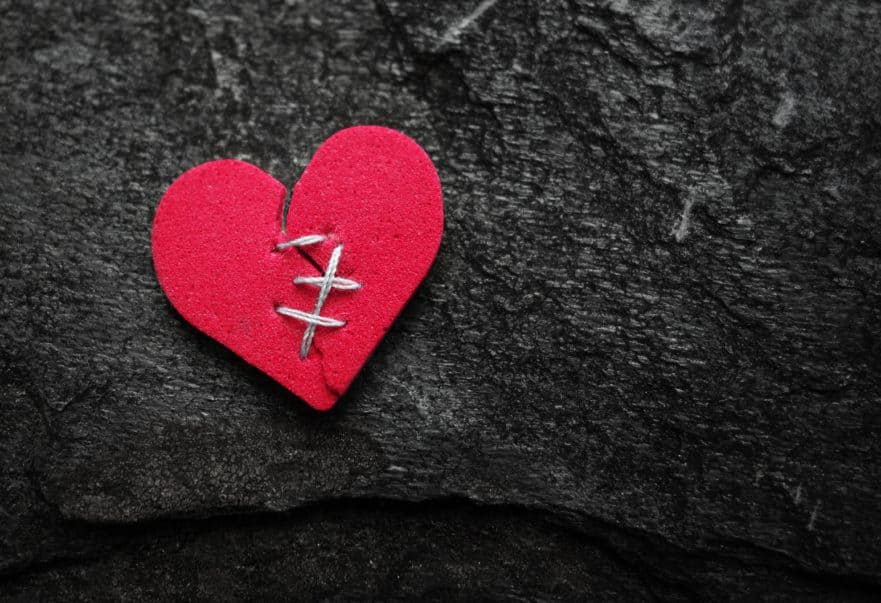
When someone hurts our feelings, most of us acquired a defense mechanism that attempts to make us feel better by making others feel bad. This defense mechanism wakes up feelings of anger and might operate a bit like this:
“You’ve hurt me so much so now I’m going to make you feel pain too so you know how I feel”
When someone hurts your feelings in a relationship, the immediate response is often a defense mechanism: pulling away, becoming quiet, deflecting, or escalating. Defense mechanisms are psychological strategies the mind uses automatically to reduce emotional pain in the moment. The problem is that most of these strategies prevent the repair that would actually resolve the hurt. Understanding what defense mechanisms are doing in a conflict makes it possible to interrupt them and move toward genuine repair instead.
This defense mechanism occurs so automatically, so insidiously that you might not be aware it is happening. It is attempting to make you feel better but it does not work, does it?
Instead, it may worsen things and even contribute to feelings of depression as unresolved emotions linger.
Now you are both in pain. Your partner hurt you so now you are both miserable. Not a particularly healthy or efficient way of dealing with hurt feelings.
How to Deal with Hurt Feelings in a Relationship
What’s the alternative? What else can you do other than striking back to those that you feel attacked you? Or becoming anxious and thinking they will hurt you again?
The first step is to be present with your feeling.
Do not skip steps.
Slow down and really feel what it is like to be in this feeling. Understand what is it about. Emotion is information. Pay attention to what it’s trying to tell you. What happens that hurts you so much?
There is a strong probability that the intensity of the pain is due to something else that happened previously in your life.
In other words, the reason the pain is so intense is because this pain is reminding you of another one you’ve felt before. One that is sitting undigested, unprocessed.
One that is sitting in the shadows of your unconscious mind.
Exploring why this pain is so intense and what it’s reminding you of is the key to your salvation.
By sitting with your emotions and feeling it all, you include back as part of your self parts of you that have been voiceless and in pain for a long time.
By giving them back their voice, you are including more of you into your conscious awareness.
This is self-love.
This part gets to be heard. The trapped emotion gets released.
When you are triggered once more, the intensity will be lesser and lesser until it no longer controls you. The defense mechanism serves no purpose anymore. The pain has a voice and has released the painful historical stuff that had a hold on you.
Learn more about how to feel your emotions fully by reading this post.
Looking For Therapy?
Start Here.
212-960-8626
How to Repair a Relationship After Hurt Feelings
Now that you have clarity about why this hurts you so much, the time comes to return to the present moment and tell your partner your feelings got hurt.
Don’t skip looking in and getting to why the emotion is so intense before going into repair. It is best to enter repair from a place of centeredness rather than from a place of overwhelm.
Even if returning to your center fully is not possible prior to the start of the repair process, it’s best to have gone through some form of emotional release prior to repairing.
There is no point in going fast and skipping steps.
Sharing how you feel is important. It’s not about what the other person did wrong. It’s about how it made you feel.
As part of the defense mechanism, you would have been tempted to put the blame on them and tell them how bad they are. But you know better now. It’s time to repair the relationship, not time to create a larger divide in the relationship.
If you find yourselves caught in this cycle of hurt and resentment, couples counseling can provide a safe space to address these issues and rebuild understanding.
If they love you, they will care about how you feel. They will hear you out and make repair.
Repair might look like a heartfelt apology, some sharing on their part of their intentions and awareness of how this affected you. Physical affection might also play a role in the repair process.
Connecting from a place of vulnerability and sincerity is essential to this process. Connecting with your partner from a place of vulnerability and honesty is good for your relationship.
Good relationships are those who commit to repairing hurt feelings.
Repair might look differently in different situations. It’s about being present with the internal experience of the person who has been hurt and reconnecting with an open heart.
It’s okay if you need time to be alone. There is no need to rush between steps. Listening to your internal experience is the guide.
Patience and presence with your internal world and with your partner will get you to higher connectedness with yourself and your partner.
Learn more about how to help your loved ones feel seen by reading this post.
Hurt Feelings in Relationships: Key Takeaways
- Hurting those that hurt you is a defense mechanism
- Look in and let the trapped emotion speak up
- Once you have regained some clarity and calm, start the repair process by sharing how you feel. The focus should be on your internal experience, not on how “wrong” your partner acted
- Connect with your partner from a place of vulnerability and honesty
- Patience and presence with yourself and your partner

Frequently Asked Questions About Hurt Feelings and Relationship Repair
What is a defense mechanism in a relationship?
A defense mechanism is an automatic psychological response that protects you from emotional pain. In relationships, common defense mechanisms include withdrawal (going quiet to avoid conflict), deflection (redirecting blame), rationalization (explaining away the hurt), and denial (minimizing what happened). These responses are not chosen consciously. They activate before the thinking part of the brain processes the situation. That is why repair requires deliberate interruption of the automatic response.
Why do hurt feelings cause withdrawal instead of conversation?
Withdrawal is a defensive response to perceived threat. When you feel emotionally hurt, the nervous system reads it as a threat and activates protective behaviors: silence, distance, and reduced responsiveness. Conversation requires a felt sense of safety. If the person who caused the hurt does not signal repair, the withdrawal deepens. This is why the person who did the hurting often needs to make the first move toward reconnection.
How do you repair a relationship after hurt feelings?
Repair requires three steps: acknowledgment, accountability, and behavioral change. Acknowledgment means naming what happened from the other person’s perspective, not defending your intent. Accountability means accepting that the impact mattered regardless of intent. Behavioral change means doing something different so the same sequence does not repeat. Repair that skips accountability and moves directly to reassurance (“it’s fine, let’s move on”) does not resolve the underlying hurt. It delays it.
What if the other person will not accept the repair?
Repair takes two people to complete. You can offer acknowledgment and accountability, but you cannot control whether the other person is ready to receive it. In some cases, the hurt is too recent or the same dynamic is too established for an immediate repair conversation to work. Giving the other person time and space while maintaining consistent, non-defensive behavior is often more effective than repeated attempts at direct repair conversation.
When do hurt feelings become a pattern that damages the relationship?
Hurt feelings become a pattern when the same types of ruptures keep occurring without genuine repair, when one or both people routinely withdraw rather than address conflict, or when repair attempts are rejected frequently enough that one person stops trying. Patterns like these tend to compound. Individually each incident feels manageable. Over time the accumulation of unresolved ruptures changes how safe the relationship feels.
Can therapy help with hurt feelings and relationship repair?
Yes. Individual therapy helps you identify your default defense mechanisms and develop alternatives. Couples therapy creates a structured environment where both people can learn to repair more effectively. In both formats, a therapist helps you understand the mechanism driving these reactions, not just describe what happened.
About the author: Natalie Buchwald, LMHC-D, is the Founder and Founding Clinical Chair of Manhattan Mental Health Counseling.