
Treat your PTSD, find peace · Online across New York State
PTSD and Trauma Therapy in New York, Online Across the State.
Many people experience traumatic events, but for some, that trauma significantly affects their stress levels and overall quality of life long after the danger has subsided. Our therapists treat the flashbacks, nightmares, constant alertness and avoidance that follow, with cognitive processing therapy, trauma-focused CBT and EMDR, by secure video for New Yorkers 15 and up.

92%
would recommend MMHC
2026 MMHC client experience surveys, 289 unique clients.
2026 Client Experience Surveys
92%
would recommend MMHC
99%
said their therapist provides a safe and welcoming environment
90%
said therapy is effectively addressing their primary concerns
Manhattan Mental Health Counseling (MMHC) is a New York telehealth psychotherapy practice, founded in Manhattan in 2014, that treats PTSD and trauma by secure video for clients 15 and older anywhere in New York State. Its 100+ therapists include clinicians trained in cognitive processing therapy (CPT), trauma-focused cognitive behavioral therapy (CBT) and eye movement desensitization and reprocessing (EMDR). MMHC is in-network with 13 plans, including Aetna, Cigna, UnitedHealthcare, Healthfirst and Medicare. You get a response and benefits verification within 24 hours of submitting the form, and first sessions are often within five days.
Quick answers
Quick Answers About PTSD Therapy in New York
- 1
Yes. Our therapists treat PTSD after a single event, complex PTSD after repeated or childhood trauma and trauma reactions that do not meet the full diagnosis, for clients 15 and up, entirely by secure video. Clinicians on the team are trained in CPT, trauma-focused CBT and EMDR, and our Therapy Coordinator matches you with one whose training fits what you describe.
- 2
With in-network insurance, your cost depends on your plan's copay, deductible and coinsurance. More than 3 in 4 MMHC clients pay $0 a session with in-network insurance, and 97% pay $30 or less. Without insurance, self-pay is $200 for the first session and $175 for each session after, billed per session with no subscription. We confirm your exact cost on your free screening call, before session one.
- 3
Trauma-focused psychotherapy. The American Psychological Association's 2025 PTSD guideline recommends cognitive processing therapy, prolonged exposure and trauma-focused CBT, and suggests EMDR, cognitive therapy and narrative exposure therapy [1] [2]. The 2023 VA/DoD guideline recommends prolonged exposure, cognitive processing therapy or EMDR over medication [3]. Your therapist chooses with you, based on your symptoms, your history and what you are ready for.
- 4
Your first session is often within five days of submitting the form. You get a response and benefits verification within 24 hours, so you start knowing your cost. You do not need to describe what happened to book.
- 5
No. Trauma is the event and your reaction to it; PTSD is a condition some people develop afterward, when symptoms last longer than a month and get in the way of daily life. Most people who go through a traumatic event do not develop PTSD, and about 6 in 100 people in the U.S. will have PTSD at some point in their lives [4]. You can get help for trauma whether or not it meets the diagnosis.
- 6
Online, anywhere in New York State. MMHC was founded in Manhattan and every session is held by secure video, so the same therapists are available to you in Manhattan, Brooklyn, Queens, the Bronx, Staten Island, Long Island, Westchester, the Hudson Valley or upstate. You need a private space and a device with a camera, and you must be physically in New York State during each session.
The basics
Understanding PTSD: When the Danger Has Passed and Your Body Disagrees
After a frightening or dangerous event, it is normal to have upsetting memories, feel on edge or sleep badly, and most people start to feel better after a few weeks [5]. PTSD (post-traumatic stress disorder) is the name for what happens when that does not settle: memories that return on their own, a nervous system that stays on alert and a growing list of places, people and conversations you avoid. The traumatic event might have passed, but your body and mind still behave as if the traumatic event is happening now.
The DSM-5 places PTSD in its own category, trauma- and stressor-related disorders, rather than with the anxiety disorders [6]. Symptoms that last longer than a month and disrupt your life can indicate PTSD [5]. You can also reach out before then if you are struggling. During the traumatic event, your fight-or-flight response kicked in to cope with the immediate situation, but your brain could not make sense of the event at the time. As a result, it stores the event as a fragmented and unfinished record that keeps reemerging, which is why a smell, a sound or a date can pull it back without warning. Symptoms usually start soon after the event, but they can appear months or years later and can come and go [5].
About 6 in 100
people in the U.S. will have PTSD at some point in their lives, and most people who go through a traumatic event will not develop it.
Source: U.S. Department of Veterans Affairs, National Center for PTSD [4].
PTSD, Trauma and Complex PTSD
Complex PTSD describes the effects of trauma that was long-lasting, happened in childhood or involved harm from another person, especially someone you trusted [7]. On top of the core PTSD symptoms, it brings difficulty managing emotions, feeling worthless and withdrawing from others. The World Health Organization's ICD-11 lists it as a separate diagnosis, while the U.S. DSM-5 captures it within PTSD, and the National Center for PTSD notes the two overlap so much that complex PTSD may not need a different type of treatment [7]. If your trauma began in childhood, a therapist experienced with childhood trauma in adults lets you set a pace that feels safe.
Bottom line: You do not need a diagnosis, or a "big enough" event, to reach out. If something that happened still decides how you sleep, where you go or who you trust, that is reason enough for a conversation.
What Can Cause PTSD
PTSD can follow any shocking or dangerous event that threatened your life or safety, or the safety of someone close to you. It is common among soldiers and veterans, and it may occur in many other situations, including:
- An accident
- Witnessing harm done to a loved one
- A terrorist attack
- Being victimized by rape, domestic violence or some other violent crime
- The sudden, violent or accidental death of someone close to you
- A life-threatening illness, or frontline exposure during a pandemic (like COVID-19)
Grief after an expected loss is painful and usually calls for different help than PTSD; if loss is what brought you here, our grief counseling in NYC may be the better fit. If you are covered through the military, see how we work with TRICARE.
$0 Copay for More Than 3 in 4 Clients With In-Network Insurance
We confirm your exact cost on your screening call, before session one.
We are in-network with 13 plans, including Aetna, Cigna, UnitedHealthcare (including Oxford and Optum), Healthfirst, Oscar, MVP Health Care, Fidelis Care, EmblemHealth, Molina Healthcare, Affinity, TRICARE, Medicare Advantage and Original Medicare.
Why it works
Does Therapy Actually Help With PTSD?
Your body and mind can heal and recover from PTSD. With PTSD, there is often an urge to deny and push the traumatic event away when it resurfaces, and that urge makes sense, because avoiding a reminder brings relief within minutes. Suppressing, denying or distracting ourselves with other activities might work for a moment, but these are temporary fixes at best. PTSD and the anxiety that comes with it return, often with even greater intensity, because each avoided reminder tells your nervous system the memory is still dangerous. We refer to this dynamic as the cycle of avoidance.
- A reminder appears
- Fear spikes
- You avoid it and feel relief
- The memory stays dangerous
Reprocessing the incident in PTSD therapy can help you integrate it into your mind in a healthier way, and that is how therapy breaks the cycle: the traumatic event is processed and put in context. The haunting memories can lose their intensity and grip over your present life.
Bottom line: You set the pace. Therapy starts with safety and skills for the moments that overwhelm you, and the work with the memory itself begins when you and your therapist agree you are ready.
The MMHC difference
Advanced Trauma & PTSD Therapy, Including EMDR
Trauma and PTSD are a core specialization at MMHC. Our growing team includes EMDR-trained therapists, with personal matching and in-network insurance options.
EMDR-trained clinicians
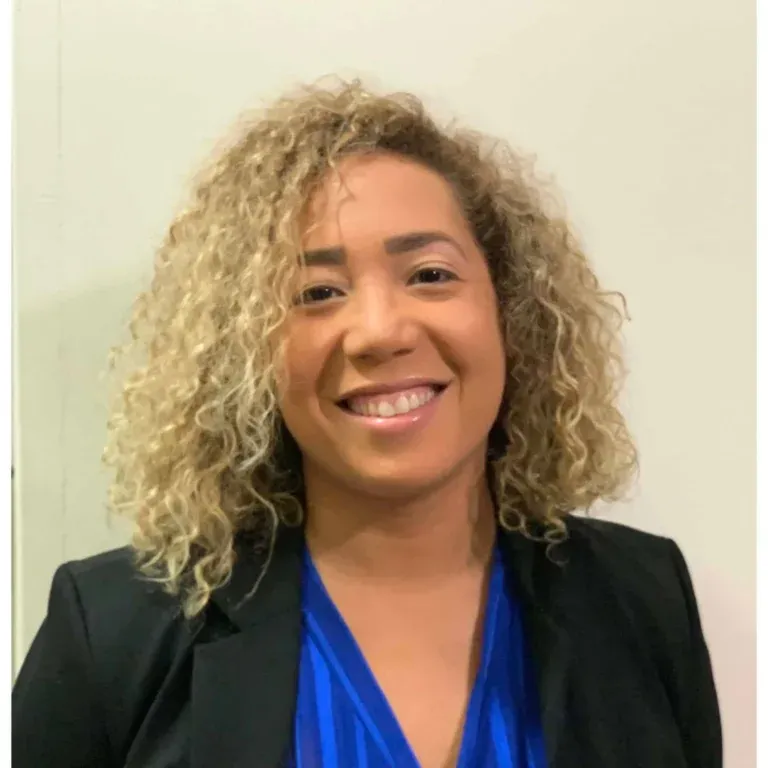
Raquel Castello, LMHC
Trained in EMDR

Maya Chandy, LMHC-D
EMDR certificate, Center for Excellence in EMDR Therapy

Makinzie Decker, LMHC-D
Trained in EMDR
Specialized clinicians. MMHC's trauma-focused team includes therapists experienced in treating PTSD and clinicians trained in EMDR.
Investing in expertise. MMHC sponsors EMDR training and ongoing professional development to deepen our team's trauma expertise.
Personal matching. Our Therapy Coordinator helps you find a clinician whose training and approach fit your needs.
Specialized care through insurance. Our team verifies your benefits and identifies in-network options for trauma and PTSD treatment.
EMDR (eye movement desensitization and reprocessing) is one of the trauma-focused therapies the 2023 VA/DoD guideline recommends over medication for PTSD [3]. MMHC offers access to EMDR-trained clinicians through participating insurance plans, and our investment in training helps expand that access. Learn more about EMDR therapy at MMHC.
Our Therapy Coordinator personally reviews what you share and considers your concerns, preferences and treatment goals when making your match. If you're looking for EMDR, tell us so we can help you find a clinician trained in that approach.
You don't need to know which therapy to choose. MMHC's Therapy Coordinator will help you find a clinician whose training and approach fit your needs.
Know the signs
What PTSD Does to You
PTSD shows up in memory, in the body and in what you stop doing. The National Center for PTSD describes four types of symptoms [5]. Symptoms of PTSD may include:
- Intrusive memories that sometimes seem as real as life
- Recurring distressing memories
- Intense nightmares
- Staying away from people, places, conversations or thoughts that bring it back
- Isolation
- Unpredictable emotions
- Feeling of helplessness
- Guilt, shame or self-blame
- Difficulty with short-term memory (poor concentration and attention)
- Strained relationships and feeling detached from people
- Jumpiness (quick to startle)
- Extreme alertness (as if on the look-out for danger)
- Flashes of anger, extreme moodiness or irritability
- Trouble sleeping
- Feeling of unease
Conditions That Often Travel With PTSD
- Anxiety (learn more about anxiety therapy)
- Depression (learn more about depression therapy)
- Substance use problems [7]
- Physical symptoms such as chronic pain, irritable bowel syndrome or fibromyalgia
Thoughts of suicide or of hurting yourself need a faster response than weekly therapy. MMHC provides scheduled outpatient therapy: if you are having those thoughts or you are in immediate danger, call 911 or go to the nearest emergency room, and see our emergency resources page. New or unexplained physical symptoms are worth a visit to your doctor as well.
Bottom line: You do not have to match every item on this list. Describe what the last few weeks have been like, including what you now avoid, and the assessment sorts out the rest.
A quick gut check
Questions to Ask Yourself About Trauma
A quick gut check on whether it is time to talk to someone:
Do memories of what happened come back on their own, as images, nightmares or a sudden rush of fear?
Do I go out of my way to avoid people, places or conversations that bring it back?
Am I on alert most of the time, scanning rooms, startling easily or sleeping badly?
Have my thoughts about myself or the world turned harsher since it happened?
Has it lasted more than a month and started to cost me at work, at home or in relationships?
If any of these experiences are affecting your life, PTSD therapy is worth a conversation. You do not need to meet a score or already have a diagnosis to reach out.
Not Sure Whether What You Feel Is a Trauma Response?
The free Trauma Response Self-Assessment is built on the PCL-5, the PTSD checklist clinicians commonly use. You do not need to name a specific event to take it, and your result is a snapshot to bring to your first session, not a diagnosis.
In the last month, have memories of something stressful or frightening come back on their own, without you deciding to think about them?
Understand Your Trauma Response (opens in a new tab)Free · 20 questions · Instant personalized result
What we treat
Types of Trauma We Treat
Trauma does not look the same in everyone, and the plan differs by what happened and how long it went on.
- 1
PTSD After a Single Event
An accident, an assault, a sudden death or a frightening medical event, followed by memories, alertness and avoidance that have not settled after a month.
- 2
Complex PTSD and Childhood Trauma in Adults
Trauma that repeated or went on for years, often starting in childhood, that now shows up as trouble managing emotions, a harsh view of yourself and distance in relationships. Several of our clinicians list complex trauma among their specialties.
- 3
Sexual Assault and Domestic Violence
Treatment starts with safety and control over the pace, and you decide what you share and when. Our clinicians include counselors who work with survivors of abuse and violence.
- 4
Veterans and First Responders
Combat, rescue work and repeated exposure on the job. MMHC accepts TRICARE, and sessions by video fit around shift schedules.
- 5
Trauma Without a PTSD Diagnosis
Reactions that are distressing and persistent but do not meet the full criteria. You can still get help, and the assessment decides what fits.
- 6
Trauma With Depression or Anxiety
PTSD often travels with both, and we track them from the start. If anxiety is the bigger part of your picture, see our anxiety therapists in New York.
Bottom line: You do not need to sort yourself into one of these boxes before you call. Tell us what happened as briefly as you like, and the match is made around it.
The methods
How We Treat PTSD: Methods With Evidence Behind Them
Your therapist selects and combines methods based on your symptoms, your history and their training. Clinicians on our team are trained in CPT, trauma-focused CBT and EMDR, and training varies by therapist. The comparison also includes prolonged exposure (PE), a guideline-recommended treatment; ask on your screening call whether a current clinician is trained in it. The core approaches, compared:
- What you do
- Write and talk about why the trauma happened and how it changed your beliefs, with worksheets between sessions
- Typical length (National Center for PTSD)
- About 12 weekly sessions [9]
- Guideline status
- Recommended, APA 2025 and VA/DoD 2023
CPT is a specific type of CBT that helps you identify and change the beliefs that formed around the trauma: that it was your fault, that you can never be safe, that nobody can be trusted. You write about how the trauma has affected you and use worksheets in session and at home [9]. Clinicians on our team list CPT among their specialties.
- What you do
- Learn skills to change the thoughts and behaviors tied to the trauma, including facing what you avoid
- Typical length (National Center for PTSD)
- Set by the protocol and your progress
- Guideline status
- Recommended, APA 2025
CBT helps you learn skills to replace negative or inaccurate thoughts with more accurate, balanced ones. The trauma-focused form applies those skills directly to the memory and to what you avoid. Explore CBT therapy at MMHC.
- What you do
- Call the memory to mind while following a back-and-forth movement or sound, usually without describing the details
- Typical length (National Center for PTSD)
- About 3 months of weekly sessions [11]
- Guideline status
- Suggested, APA 2025; recommended, VA/DoD 2023
In EMDR you hold the upsetting memory in mind while paying attention to a back-and-forth movement or sound, which helps you stay in the present while the memory is processed. In most cases you are not asked to talk about the details, and there is no homework between sessions [11]. Several of our clinicians are trained in it. Read how EMDR works at MMHC or visit the EMDR International Association (opens in a new tab).
- What you do
- Talk through the memory step by step and gradually face safe situations you have been avoiding
- Typical length (National Center for PTSD)
- 8 to 15 weekly sessions [10]
- Guideline status
- Recommended, APA 2025 and VA/DoD 2023
PE helps you gradually approach trauma-related memories, feelings and situations, so you learn they are not dangerous and need not be avoided [10]. If PE specifically is what you want, say so on your screening call and the Therapy Coordinator tells you whether a current clinician is trained in it.
- Method
- Somatic, mindfulness and biofeedback approaches
- What you do
- Body-based and attention skills that calm the alarm response
- Typical length (National Center for PTSD)
- Used alongside trauma-focused work
- Guideline status
- Complementary
A type of PTSD therapy that facilitates the generation of new corrective experiences that physically contradict the overwhelming sense of helplessness associated with the traumatic event. We use it alongside trauma-focused therapy. Read more about somatic therapy at MMHC and Internal Family Systems therapy, which some of our trauma clinicians combine with EMDR and somatic work.
- Method
- Somatic, mindfulness and biofeedback approaches
- What you do
- Body-based and attention skills that calm the alarm response
- Typical length (National Center for PTSD)
- Used alongside trauma-focused work
- Guideline status
- Complementary
A type of therapy focusing on paying attention to the present moment, accepting thoughts and emotions as they are and allowing them to exist without judgment. In PTSD work it helps you notice a trauma reminder as it happens instead of being swept away by it. Learn more about mindfulness therapy at MMHC.
- Method
- Somatic, mindfulness and biofeedback approaches
- What you do
- Body-based and attention skills that calm the alarm response
- Typical length (National Center for PTSD)
- Used alongside trauma-focused work
- Guideline status
- Complementary
Biofeedback uses sensors to measure responses such as body temperature, respiration, heart rate, perspiration and muscle tension. Biofeedback trains your body and mind to respond to stress differently, and we use it alongside trauma-focused therapy rather than in place of it. Learn more about biofeedback therapy at MMHC.
MMHC provides talk therapy and does not prescribe. If a medication evaluation may help, your therapist talks with you about seeing a psychiatrist or another prescriber.
Bottom line: You will not be handed one method and told to make it work. Ask on your screening call for the treatment you want by name, and the match is made to a clinician trained in it.
What to expect
What PTSD Therapy at MMHC Looks Like
Treatment starts with an assessment, not with the worst memory. Your first session is a 53-minute video appointment about what brought you in, how things are now, what you have tried and what you want to be different. You share as much or as little as you are comfortable with, and you set first goals together. Most people start weekly, and the work with the memory itself begins when you and your therapist agree you have the skills to handle it.
Progress, measured
Your Review Schedule, From Session One
Session 1
Assessment
Your history, symptoms and starting scores
Every 4 weeks
PHQ-9 + GAD-7
Scores reviewed with your therapist
Week 8
Milestone check-in
Week 16
Milestone check-in
Week 52
Milestone check-in
After therapy
Follow-up check-in
Every MMHC client completes the PHQ-9, which measures depression, and the GAD-7, which measures anxiety, every four weeks; both conditions often travel with PTSD [12] [13]. The results inform clinical supervision and case review, so your therapist and their clinical team can see whether the plan is working and change it if it is not.
Regular check-ins give you and your therapist a set point to discuss how therapy is going. A 2021 meta-analysis of 58 studies involving 21,699 patients found that progress feedback produced a small average improvement in symptoms and a modest reduction in dropout [8]. These studies concern psychotherapy broadly, not MMHC's own outcomes. 90% of clients surveyed said therapy at MMHC is effectively addressing their primary concerns (2026 MMHC client experience surveys, 303 unique clients).
Clinical benchmark · National Center for PTSD
How Long Trauma-Focused Therapy Usually Runs
Trauma-focused talk therapies
8 to 16 sessions
Cognitive processing therapy
About 12 weekly sessions
Prolonged exposure
8 to 15 weekly sessions
Benchmarks, not a promise. Complex or long-standing trauma often takes longer, and EMDR usually runs about 3 months of weekly sessions; we review progress with you rather than promise a count.
Bottom line: You will see your own numbers every four weeks. "I'm not sure this is helping" is a valid place to begin that conversation, and you do not need to arrive with the solution to raise it.
Cost and insurance
What PTSD Therapy Costs in New York
With in-network insurance, your cost depends on your plan's copay (the fixed fee you owe at each visit), deductible and coinsurance. More than 3 in 4 MMHC clients pay $0 out of pocket, and 97% pay $30 or less per session. Without insurance, self-pay is $200 for the first session and $175 per session after, for a 53-minute session billed under procedure code 90837 (the billing code for a full-length individual psychotherapy session).
| Your situation | What you pay | What we do |
|---|---|---|
| In-network insurance (13 plans) | Your plan's copay, or coinsurance after any deductible; more than 3 in 4 clients pay $0 | We verify your benefits within 24 hours and walk you through your exact cost on your screening call, before session one |
| Out-of-network plan | Our self-pay rate up front; your plan may reimburse part of it, depending on your out-of-network benefits | We provide superbills (itemized receipts with the codes insurers require) so you can file for reimbursement |
| No insurance / self-pay | $200 first session, then $175 per session | Per-session billing, no subscription, cost confirmed before you start |
Two terms decide most in-network costs: the deductible (what you pay out of pocket before coverage starts) and coinsurance (the percentage you pay after the deductible is met). We check both for your plan, along with any referral or prior authorization (advance approval from your insurer before a service), before your first session. Every MMHC therapist is in-network with Aetna and with Healthfirst, and virtually all are in-network with UnitedHealthcare; for other plans we match you with a therapist who is in-network with yours. The full list of plans is on our insurance page, and carrier-specific details, including typical copays by plan, are on our Aetna, Cigna, UnitedHealthcare, Healthfirst and Medicare pages.
Bottom line: You will know your exact cost before your first session; we confirm it on your screening call. If a number on this page does not match what your plan says, we find out which is right before you pay anything.
Anywhere in New York
Online PTSD Therapy in Manhattan and Across New York State
We are a Manhattan practice, and every session is online. For trauma, that design has a practical upside: you attend from a room where you already feel safe, with no commute past the places you avoid and no waiting room. The 2023 VA/DoD guideline recommends secure video to deliver the recommended PTSD therapies when that therapy has been validated for video or other options are unavailable [3]. If you searched for a "PTSD therapist near me," the same therapists are available whether you are in Manhattan, Brooklyn, Buffalo or the Hudson Valley. Sessions run on secure, HIPAA-compliant Zoom video, and a laptop, tablet or phone with a camera works. Read more about online therapy across New York.
Who does what
PTSD Therapist or Psychiatrist? Who Does What
Searching for a trauma specialist and seeing several titles? Here is how they differ, so you can choose on function rather than label.
| Provider | Credential | What they do for PTSD |
|---|---|---|
| Therapist / counselor (what MMHC provides) | LMHC, or MHC-LP under licensed supervision | Talk therapy: CPT, trauma-focused CBT, EMDR, somatic and mindfulness-based work |
| Psychologist | PhD or PsyD | Talk therapy plus formal psychological testing; no prescribing in New York |
| Psychiatrist | MD or DO | Medication evaluation and management; some also provide therapy |
For PTSD, trauma-focused talk therapy is the first step in both major U.S. guidelines [1] [3], and that is what our counselors deliver. MMHC has no psychiatrists or psychologists on staff and does not offer medication management. Any New York license can be checked on the NYSED license verification search (opens in a new tab).
Areas of focus
Conditions and Methods Our Therapists Cover
Our 100+ therapists are experienced in addressing a broad variety of mental health concerns and utilizing a wide variety of therapeutic modalities.
- Anxiety
- Depression
- Self Esteem
- Trauma
- Family Issues
- Coping Skills
- Mindfulness
- CBT Therapy
- EMDR Therapy
- Life Transitions
- OCD Therapy
- Social Anxiety
- Men's Issues
- Bipolar Disorder
- Domestic Abuse
- Phobias
- Integration
- Porn Addiction
- ADHD
- Burnout Issues
- DBT Therapy
- Anger Management
- PTSD
- Work Stress
- Career Counseling
- Grief
- Marriage Counseling
- Eating Disorders
- Spirituality
- Young Adults
- LGBTQ
- Substance Abuse
- Sexual Abuse
- Parenting
- Somatic Therapy
- Women's Issues
Who you might work with
Featured PTSD Therapists
Choosing the right PTSD therapist can be a challenge, so we keep it simple: you tell us what is happening, and the Therapy Coordinator matches you. Our clinicians are licensed mental health counselors (LMHC) and mental health counselors in limited-permit status (MHC-LP) practicing under licensed supervision, as New York requires; a D after LMHC marks a license that includes diagnostic privilege. The three below are examples, and when you submit the form the Therapy Coordinator selects from all 100+ clinicians based on your concerns, schedule and plan.

Carol Black, LMHC
Specializes in healing complex trauma and PTSD with EMDR and somatic work. Carol is fully trained in EMDR and Dialectical Behavior Therapy and sees counseling as a gentle collaboration: when stories imposed by cultures or family members get in the way, retelling them with a compassionate counselor can bring a person's own strengths into view.

Alyssa Sardis, LMHC-D
Trained in Eye Movement Desensitization and Reprocessing (EMDR), Alyssa provides trauma-focused therapy that helps clients process difficult experiences and build long-term resilience. She works with anxiety, depression, PTSD and family dynamics, and combines CBT with an approach tailored to each client.

Stephanie Maldonado, LMHC
Specializes in Cognitive Behavioral Therapy (CBT) and Cognitive Processing Therapy (CPT), helping clients with depression, anxiety and PTSD break negative patterns and rewrite the stories they tell about themselves.
Accepting new patients
Online PTSD Therapists in New York Accepting New Patients
Manhattan Mental Health Counseling is a New York State psychotherapy practice founded in 2014, accepting new clients ages 15 and up for PTSD and trauma therapy. Top-rated mental health counseling in Manhattan, online across New York: its 100+ therapists hold sessions by secure video across all of New York State, including clinicians trained in CPT, trauma-focused CBT and EMDR. The practice is in-network with 13 insurance plans including Aetna, Cigna, UnitedHealthcare, Healthfirst and Medicare; MMHC's clinicians are Medicare-enrolled; and each client's exact copay is verified before the first session. MMHC is rated 4.0 on Google and 4.75 on Zocdoc (opens in a new tab) (602 reviews), and has worked with 5,000+ clients since 2014.
100+
therapists, by secure video, statewide
13
insurance plans, in-network
5,000+
clients, since 2014
4.0
on Google, 41 reviews
In their words
What Clients Say
5,000+ clients since 2014
So far so good! My first appointment with Stephanie went better than expected. She is a great listener, affirming and made me feel comfortable from beginning to end.
Verified patient · Jul 2026 She was great at making me feel comfortable on my first appointment. I know already we are going to click, and she will help me!
Verified patient · Dec 2024 She is so wonderful to talk to, she makes it easy to open up and share while creating a safe space to do so. Highly recommended!
Verified patient · Oct 2024 Even though we weren’t in the same room, she made me feel completely comfortable and connected. Her warm and supportive demeanor came through, even over the screen.
Verified patient · Sep 2024 Sandra is very attentive, a great listener, and offers helpful questions and answers.
Verified patient · Mar 2024
I was able to be paired with a therapist I actually connected with on the first try, which is pretty miraculous. Stephanie is absolutely wonderful. I have been seeing her for 7 months now and my experience has been seamless so far.
Rated 5 of 5. I’ve been a client at this practice for over a year now and it’s been life-changing. The intake was seamless and my therapist is outstanding. Looking forward to continuing my treatment here.
Rated 5 of 5. Over 2 years with my therapist and she’s a 10/10. She has helped me a lot with all of my issues, especially coping with BPD and depression. She’s very accommodating and willing to go above and beyond!
Rated 5 of 5. Intake process was smooth and easy. I love the Telehealth platform used as well. My therapist is great and I love that I am doing my mental health here.
Rated 5 of 5. My therapist is excellent! I am happy with my therapy.
Rated 5 of 5.
Four simple steps
How to Start PTSD Therapy
- 1
Submit the form. Tell us briefly what is happening, your availability and your insurance; you do not need to describe the trauma. You receive a response within 24 hours.
- 2
Book your free 15-minute screening call. You get an email with a link to schedule it. We ask about your concerns and what you want in a therapist, verify your insurance (going over your coverage takes about 5 minutes) and tell you your exact cost on the call, before you commit.
- 3
Get matched by a person. The Therapy Coordinator pairs you with a therapist whose trauma training fits what you describe, such as CPT, EMDR or trauma-focused CBT, and who is in-network with your plan where applicable.
- 4
Start, often within five days of submitting the form. Your first 53-minute video session is scheduled at a time that works, including evening and weekend times subject to clinician availability. If the fit is not right, you switch clinicians without restarting intake.
Choosing well
Questions to Ask Any PTSD Therapist Before You Book
Wherever you go for trauma care, these five questions separate a clinician trained in trauma treatment from a generalist with PTSD on their profile:
- 1
Are you licensed in New York, or practicing under licensed supervision, and who supervises you?
- 2
Which trauma-focused treatments are you trained in, such as CPT, prolonged exposure, EMDR or trauma-focused CBT, and which would you suggest for me?
- 3
How do you pace the work, and what happens if a session leaves me more stirred up than when I arrived?
- 4
How will we measure whether therapy is helping, and how often will we review it?
- 5
What exactly will I pay per session, and can you confirm that before the first appointment?
We answer all five on your screening call, before you commit.
Common questions
Frequently Asked Questions
If you don't see your question here, contact our support team at 212‑960‑8626.
Getting started
Do I Need a PTSD Diagnosis Before I Contact MMHC?
No. You can reach out if memories, nightmares, constant alertness or avoidance are affecting your work, relationships or sleep, whether or not anyone has named it PTSD. Your first session includes an assessment, and your therapist talks with you about what they see and whether weekly outpatient therapy fits what you need.
What Happens in the First PTSD Therapy Session, and Do I Have to Talk About My Trauma?
Your therapist asks what brought you in, how you are sleeping and functioning now, what you have tried and what you want to be different, and you complete the PHQ-9 and GAD-7 as a starting point. Describing what happened is not required: you share as much or as little as you are comfortable with, and you and your therapist decide together when to work with the details.
Will I Have to Relive My Trauma in Detail?
Not on day one, and not without preparation. What later sessions ask of you depends on the method: EMDR usually works without describing the details aloud; cognitive processing therapy focuses on your thoughts about why it happened and what it changed; prolonged exposure approaches the memory step by step at a pace your therapist tracks with you. Your therapist explains what an approach involves before you start, and you can say no to one that does not fit.
Will Talking About My Trauma Make It Worse?
It can feel harder for a short stretch, and that is expected. The National Center for PTSD describes the risk in prolonged exposure as mild to moderate discomfort when talking about trauma-related memories, and most people who complete it find the benefits outweigh that initial discomfort [10]. If a session leaves you more stirred up than you can manage, tell your therapist; adjusting the pace is part of the work.
What If My Trauma Happened Years Ago?
You can still get help, and many people start therapy years or decades after the event. PTSD symptoms can appear months or years later and can come and go over many years [5], and trauma-focused treatment works on how the memory affects you now, whenever it happened.
What If Therapy Didn't Help Me Before?
That is common. Earlier therapy may not have used a trauma-focused method, or the fit with the therapist may have been wrong. Tell the Therapy Coordinator what you tried and what did not work so the match reflects it, and ask your new therapist which specific approach they propose and why.
How Will I Know Whether a Trauma Therapist Is a Good Fit, and What If They Are Not?
Use the screening call and first session to talk about your goals, what helps you feel safe and how the therapist plans to work with trauma; a good fit feels collaborative, with a plan you understand and a say in the pace. If it does not feel right, tell us. With Seamless Rematch, you move to another MMHC clinician without starting the search over. The Therapy Coordinator responds within one business day, and rematching within MMHC costs nothing extra.
Treatment
Which PTSD Treatments Do Your New York Therapists Offer?
Clinicians on our team are trained in cognitive processing therapy, trauma-focused CBT and EMDR, and others add somatic, Internal Family Systems, DBT, mindfulness-based and biofeedback work. Training varies by therapist, which is why the Therapy Coordinator matches you to the method you want; if you ask for prolonged exposure by name, we tell you on the screening call whether a current clinician is trained in it.
Is EMDR or CBT Better for PTSD, and How Do I Choose?
Neither wins for everyone, so start with what each one asks of you. In cognitive processing therapy, a trauma-focused form of CBT, you write and talk about why the trauma happened and how it has affected you, with worksheets between sessions, usually over about 12 weekly sessions [9]. In EMDR you call the memory to mind while paying attention to a back-and-forth movement or sound, usually without talking through the details and with no homework between sessions [11]. The APA's 2025 guideline places CPT, prolonged exposure and trauma-focused CBT in its recommended tier and EMDR in its suggested tier, while the VA/DoD guideline recommends EMDR alongside CPT and prolonged exposure. Tell us on your screening call which sounds more workable; a treatment you can stay with beats one you dread.
How Long Does PTSD Therapy Take, and How Often Would We Meet?
It depends on the treatment and your history. Trauma-focused talk therapies usually last about 8 to 16 sessions [14], most often weekly: cognitive processing therapy runs about 12 sessions, prolonged exposure 8 to 15 and EMDR about 3 months. Complex or long-standing trauma often takes longer. MMHC sessions are 53 minutes, and your therapist reviews progress with you every four weeks.
Do You Treat Complex PTSD and Childhood Trauma in NYC?
Yes, by secure video anywhere in New York State, including all five boroughs. Complex PTSD usually follows repeated or prolonged trauma such as childhood abuse or domestic violence. Several of our clinicians list complex trauma among their specialties, and you can ask to be matched with someone experienced with childhood trauma in adults. The free 15-minute screening call is the place to talk about fit.
Can PTSD Cause Panic Attacks?
Yes. A trauma reminder can set off a panic attack, with a racing heart, shortness of breath or a sense that something terrible is about to happen. PTSD therapy works on the trauma response underneath the panic, and our anxiety therapists can also help you manage panic symptoms directly.
Can Therapy Help With PTSD Flashbacks?
Yes. Flashbacks are a re-experiencing symptom of PTSD, and trauma-focused therapies such as CPT, EMDR and trauma-focused CBT work on the memory so it registers as the past instead of the present. Your therapist can also teach you grounding skills to use when a flashback starts.
Can Your Therapists Prescribe PTSD Medication?
No. MMHC provides psychotherapy, and its counselors do not prescribe. If a medication evaluation may help, your therapist talks with you about seeing a psychiatrist or another prescriber, and you can keep working on the trauma in therapy alongside it.
Do You Offer Inpatient or Residential PTSD Treatment?
No. MMHC provides outpatient psychotherapy by secure video for people physically in New York State, without crisis care or prescribing. The screening call and first session are where we check that weekly outpatient therapy fits what you need; if you are in immediate danger, call 911 or go to the nearest emergency room.
Insurance, cost and your therapist
Does Insurance Cover PTSD Therapy, and Is My Therapist In-Network With My Plan?
Usually, yes. PTSD is a diagnosable condition, and outpatient psychotherapy for it is a covered benefit on the plans we accept. MMHC is in-network with 13 plans, including Aetna, Cigna, UnitedHealthcare, Healthfirst, TRICARE and Medicare. Every MMHC therapist is in-network with Aetna and with Healthfirst, and virtually all are in-network with UnitedHealthcare; for other plans the Therapy Coordinator matches you with a clinician who is in-network with yours, and our team verifies your benefits before your first session.
If You're Out of Network, Can I Use My Benefits or Get a Superbill?
Yes, if your plan has out-of-network benefits. You pay our self-pay rate at the session and we provide superbills (itemized receipts with the codes insurers require) so you can file for reimbursement. How much comes back depends on your plan's out-of-network benefits and deductible.
Do You Accept Medicaid for PTSD or EMDR Therapy?
Through Medicaid managed care plans, yes: Healthfirst, Fidelis Care, Molina Healthcare, Affinity, MVP Health Care and UnitedHealthcare Community Plan, plus UnitedHealthcare Dual Complete for people with Medicare and Medicaid. Participation varies by plan product, so we confirm yours, including coverage for the approach you want, before your first session.
What Can I Do If I Can't Find an Available In-Network PTSD Therapist in NYC?
Start with us: insured clients at MMHC are scheduled as quickly as self-pay clients, with no separate in-network waitlist, and first sessions are often within five days. If your plan is not one we accept, call the member services number on your card, ask for in-network clinicians trained in PTSD treatment and keep a record of whom you contacted. Under New York's network adequacy rule, plans regulated in New York owe you an initial outpatient behavioral health appointment within 10 business days, so tell your insurer when it cannot find you one.
Who Would Be My PTSD Therapist, and What Training Do They Have?
The Therapy Coordinator matches you with a licensed mental health counselor (LMHC) or a limited-permit counselor (MHC-LP) practicing under licensed supervision, chosen for training that fits what you want. Each clinician's profile on our therapist directory lists their license or permit number, focus areas and methods: Carol Black and Alyssa Sardis list EMDR, for example, and Stephanie Maldonado lists cognitive processing therapy. Ask your therapist about their experience with your chosen method at your first session.
Get started
Get Started With PTSD Therapy
Submit the form and you will get an email with a link to book a free 15-minute screening call at your convenience.
- First sessions often within five days · no in-network waitlist
- Coverage verified before your first session
- Secure video, anywhere in New York State
Prefer to talk? Call 212‑960‑8626
Get Matched
References
1. American Psychological Association (2025). Clinical Practice Guideline for the Treatment of Posttraumatic Stress Disorder (PTSD) in Adults. (accessed October 29, 2026) https://www.apa.org/ptsd-guideline (opens in a new tab)
2. Pappas, S. (2025, July 1). PTSD and trauma: New APA guidelines highlight evidence-based treatments. Monitor on Psychology. (accessed October 29, 2026) https://www.apa.org/monitor/2025/07-08/guidelines-treating-ptsd-trauma (opens in a new tab)
3. Schnurr, P. P., Hamblen, J. L., Wolf, J., et al. (2024). The Management of Posttraumatic Stress Disorder and Acute Stress Disorder: Synopsis of the 2023 U.S. Department of Veterans Affairs and U.S. Department of Defense Clinical Practice Guideline. Annals of Internal Medicine, 177(3), 363-374. PubMed https://pubmed.ncbi.nlm.nih.gov/38408360/ (opens in a new tab) · DOI 10.7326/M23-2757
4. U.S. Department of Veterans Affairs, National Center for PTSD. How Common Is PTSD in Adults? (accessed October 29, 2026) https://www.ptsd.va.gov/understand/common/common_adults.asp (opens in a new tab)
5. U.S. Department of Veterans Affairs, National Center for PTSD. PTSD Basics. (accessed October 29, 2026) https://www.ptsd.va.gov/understand/what/ptsd_basics.asp (opens in a new tab)
6. U.S. Department of Veterans Affairs, National Center for PTSD. PTSD and DSM-5. (accessed October 29, 2026) https://www.ptsd.va.gov/professional/treat/essentials/dsm5_ptsd.asp (opens in a new tab)
7. U.S. Department of Veterans Affairs, National Center for PTSD. Complex PTSD. (accessed October 29, 2026) https://www.ptsd.va.gov/understand/what/complex_ptsd.asp (opens in a new tab)
8. de Jong, K., Conijn, J. M., Gallagher, R. A. V., Reshetnikova, A. S., Heij, M. and Lutz, M. C. (2021). Using progress feedback to improve outcomes and reduce drop-out, treatment duration and deterioration: A multilevel meta-analysis. Clinical Psychology Review, 85, 102002. PubMed https://pubmed.ncbi.nlm.nih.gov/33721605/ (opens in a new tab) · DOI 10.1016/j.cpr.2021.102002
9. U.S. Department of Veterans Affairs, National Center for PTSD. Cognitive Processing Therapy for PTSD. (accessed October 29, 2026) https://www.ptsd.va.gov/understand_tx/cognitive_processing.asp (opens in a new tab)
10. U.S. Department of Veterans Affairs, National Center for PTSD. Prolonged Exposure for PTSD. (accessed October 29, 2026) https://www.ptsd.va.gov/understand_tx/prolonged_exposure.asp (opens in a new tab)
11. U.S. Department of Veterans Affairs, National Center for PTSD. Eye Movement Desensitization and Reprocessing for PTSD. (accessed October 29, 2026) https://www.ptsd.va.gov/understand_tx/emdr.asp (opens in a new tab)
12. Kroenke, K., Spitzer, R. L. and Williams, J. B. (2001). The PHQ-9: Validity of a brief depression severity measure. Journal of General Internal Medicine, 16(9), 606-613. PubMed https://pubmed.ncbi.nlm.nih.gov/11556941/ (opens in a new tab) · DOI 10.1046/j.1525-1497.2001.016009606.x
13. Spitzer, R. L., Kroenke, K., Williams, J. B. W. and Löwe, B. (2006). A brief measure for assessing generalized anxiety disorder: The GAD-7. Archives of Internal Medicine, 166(10), 1092-1097. PubMed https://pubmed.ncbi.nlm.nih.gov/16717171/ (opens in a new tab) · DOI 10.1001/archinte.166.10.1092
14. U.S. Department of Veterans Affairs, National Center for PTSD. PTSD Treatment Basics. (accessed October 29, 2026) https://www.ptsd.va.gov/understand_tx/tx_basics.asp (opens in a new tab)
A Note on Scope and Crisis Support
This page is for informational purposes and is not medical advice. If you have persistent or concerning symptoms, consult a licensed medical professional. If you are in crisis or immediate danger, call 911, go to the nearest emergency room or see our emergency resources page.