




Feel Like Life’s Moving Too Fast? Find Your Calm Here.
In the relentless rush of New York City, it’s easy to feel overwhelmed. The noise, the deadlines, the endless to-do lists—it all adds up. Your mind buzzes with unhelpful thoughts while your body silently bears the weight of the tension.
But you don’t have to stay trapped in the cycle of stress and overwhelm.
Mindfulness therapy offers a way to pause, breathe, and reconnect with yourself. Rooted in timeless mindfulness practices and backed by modern psychological research, mindfulness psychotherapy helps you find clarity, regain control, and embrace a calmer, more centered life.
Take the First Step Toward Peace—Start Your Mindfulness Therapy Today

Take Control of Your Anxiety With Mindfulness Therapy
Living in New York City means navigating an environment that thrives on intensity. Crowded subway platforms, relentless deadlines, and the ever-present buzz of city life can leave even the most grounded individuals feeling frazzled. Over time, this stress builds, turning manageable worries into overwhelming anxiety.
Anxiety disorders affect over 40 million adults (opens in a new tab) in the United States every year, making them the most common mental health concern. Without intervention, anxiety can disrupt work, relationships, and your overall quality of life.
The good news? Anxiety doesn’t have to rule your life.
Mindfulness-based therapy offers a powerful, research-backed solution to break free from the grip of persistent worry and fear. More than just stress relief, mindfulness therapy is a long-term strategy to face life’s challenges with resilience and confidence.. Whether you’re dealing with a demanding career, family pressures, or the relentless pace of the city, mindfulness based therapy equips you with the tools to find inner calm and clarity.
Start your journey to calm, clarity, and resilience with mindfulness therapy in NYC today.
In their words
What Clients Say
5,000+ clients since 2014
So far so good! My first appointment with Stephanie went better than expected. She is a great listener, affirming and made me feel comfortable from beginning to end.
Verified patient · Jul 2026 First experience was great! What stood out was her listening and giving feedback for solutions.
Verified patient · Sep 2025 She was great at making me feel comfortable on my first appointment. I know already we are going to click, and she will help me!
Verified patient · Dec 2024 She is so wonderful to talk to, she makes it easy to open up and share while creating a safe space to do so. Highly recommended!
Verified patient · Oct 2024 Even though we weren’t in the same room, she made me feel completely comfortable and connected. Her warm and supportive demeanor came through, even over the screen.
Verified patient · Sep 2024 Sandra is very attentive, a great listener, and offers helpful questions and answers.
Verified patient · Mar 2024
I was able to be paired with a therapist I actually connected with on the first try, which is pretty miraculous. Stephanie is absolutely wonderful. I have been seeing her for 7 months now and my experience has been seamless so far.
Rated 5 of 5. I’ve been a client at this practice for over a year now and it’s been life-changing. The intake was seamless and my therapist is outstanding. Looking forward to continuing my treatment here.
Rated 5 of 5. Over 2 years with my therapist and she’s a 10/10. She has helped me a lot with all of my issues, especially coping with BPD and depression. She’s very accommodating and willing to go above and beyond!
Rated 5 of 5. Intake process was smooth and easy. I love the Telehealth platform used as well. My therapist is great and I love that I am doing my mental health here.
Rated 5 of 5. My therapist is excellent! I am happy with my therapy.
Rated 5 of 5. Kind and patient attention and support as I begin my emotional healing journey in earnest.
Rated 5 of 5.

Why Mindfulness Therapy Works—Proven Benefits for a Calmer Mind
Research highlights the transformative effects of mindfulness meditation and therapy, showing clear benefits for both your brain and mental well-being.
Enhance Brain Function:
Mindfulness practice leads to structural changes in brain areas (opens in a new tab) linked to attention, emotion regulation, and self-awareness. Areas like the anterior cingulate cortex become more resilient, improving attention and stress management. Mindfulness not only strengthens the brain’s ability to manage stress and regulate emotions but also enhances self-awareness and present-moment focus—key principles that align closely with the Gestalt therapy approach of fostering holistic awareness and integration.
Reduce Stress:
Studies comparing Mindfulness-Based Cognitive Therapy (MBCT) and Compassion Focused Therapy (CFT) reveal that both approaches boost mindfulness and self-compassion (opens in a new tab) while reducing rumination, anxiety, and stress. MBCT is particularly effective for those prone to overthinking, while CFT works well for enhancing overall mindfulness.
Improve Mental Health:
A review published in the Journal of Consulting and Clinical Psychology found that mindfulness-based approaches significantly reduce symptoms of anxiety (opens in a new tab) and mood disorders. These improvements are long-lasting, making mindfulness a reliable tool for managing mental health challenges.
Backed by science, mindfulness therapy is your pathway to reducing stress, improving mental health, and transforming anxiety into calm resilience.
Featured Mindfulness Therapists NYC

Sheila Mashack, LMHC-D
Sheila Mashack uses a blend of CBT, DBT, trauma-focused therapies, and mindfulness techniques to help individuals manage depression, PTSD, substance use, and emotional challenges, guiding clients toward healing, self-awareness, and healthier relationships.
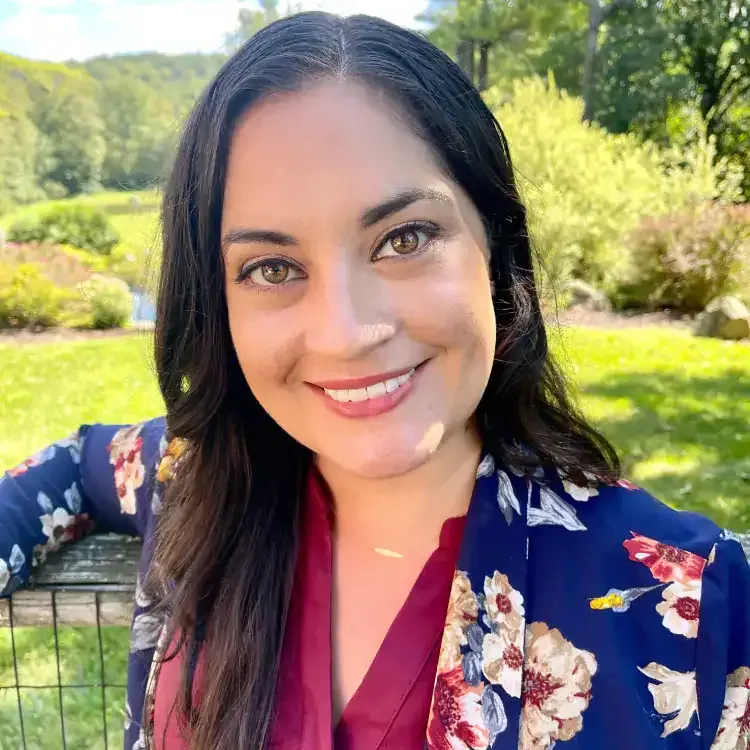
Michelle Heidami, MHC-LP
Creates a healing space where clients feel supported, understood, and empowered Experience with complex trauma, identity, anxiety, depression, and relationship dynamics Integrates psychodynamic, CBT, DBT, and mindfulness practices for personalized care

Cyndi Morales, LMHC-D
Cyndi Morales uses a compassionate, culturally sensitive approach that integrates ACT, CBT, and somatic techniques to guide clients through trauma, grief, anxiety, and life transitions, fostering healing, clarity, and empowered personal growth.

What to Expect in a Mindfulness Therapy Session
A mindfulness-based therapy session in NYC is designed to provide a calm and supportive environment where you can learn practical tools to navigate life’s challenges.
Check-In
Each session typically begins with a check-in, where you can reflect on your week—sharing moments when mindfulness helped or times you found stress challenging to manage. In your case, you could talk about some experiences you’ve had recently such as feeling overwhelmed at work and how it affected your mood or energy.
Mindfulness Exercises
Next, your therapist will guide you through a mindfulness exercise tailored to your needs. This could include a body scan to help you connect with physical sensations or a short meditation focused on calming your breath and quieting your thoughts. For instance, if you’ve been feeling anxious about a future event, your therapist can lead you through a grounding exercise to help you feel present and centered.
Reflection and Application
Session typically include skill-building and reflection, where you and your therapist explore how to integrate mindfulness strategies into your daily life. Whether it’s navigating a difficult conversation at home or managing constant distractions at work, your therapist will guide you in developing practical techniques to stay focused, grounded, and intentional in your responses.
Mindfulness therapy offers more than quick fixes—it empowers you with lasting tools to tackle life’s challenges



Meet Your Mindfulness Therapist in New York
Navigating a city as fast-paced and expansive as NYC can make finding the right therapist feel overwhelming—but it doesn’t have to be. At Manhattan Mental Health Counseling, we’re here to simplify the process with a team of experienced, compassionate therapists specializing in mindfulness therapy. Our mission is to help you reclaim balance, clarity, and a fulfilling life.
Starting therapy is a decisive step toward meaningful and lasting change. Our therapeutic approach is grounded in evidence-based practices, personalized care, and a deep commitment to your well-being. Whether you’re seeking relief from anxiety, healing from traumatic experiences, or simply striving for greater peace, we’re here to guide you every step of the way.
Reclaim your calm and live more fully. Schedule your session today and experience the transformative power of mindfulness therapy NYC.
Frequently Asked Questions
We have compiled answers to the most commonly asked questions about Mindfulness Therapy in New York. If you don't find the answer you're looking for, please contact our support team.
How Does Mindfulness Therapy Work?
Mindfulness-based therapy teaches you to focus on the present moment with curiosity and compassion. Mindfulness helps you change how you relate to negative thoughts, rather than trying to erase them. Instead of being swept away by a whirlwind of emotions, mindfulness helps you step back, observe your thoughts, and weaken their hold on you.
Here’s how it works:
- Observe Without Judgment: Learn to step back from thoughts and emotions without being overwhelmed.
- Develop Practical Skills: Practice mindfulness techniques like meditation, deep breathing, and body awareness.
- Achieve Real-Life Benefits: Respond thoughtfully to challenges instead of reacting impulsively.
What makes mindfulness therapy so effective is its simplicity and flexibility—it can fit into any lifestyle. Research shows (opens in a new tab) it improves mental health and builds lasting emotional resilience.
Are There Different Kinds of Mindfulness Therapy?
Yes, mindfulness therapy includes several approaches, tailored to different needs:
Mindfulness-Based Stress Reduction (MBSR): MBSR combines meditation, gentle yoga, and mindfulness practices to reduce stress and enhance overall well-being. Suppose you get stuck in NYC traffic—Mindfulness-Based Stress Reduction NYC techniques, like mindful breathing, can help you stay grounded, accept the moment, and focus on what you can control.
Mindfulness-Based Cognitive Therapy (MBCT): MBCT integrates mindfulness with cognitive-behavioral techniques, creating a holistic approach to manage anxiety and prevent depressive disorders. It helps you identify and detach from negative thought patterns while fostering emotional resilience. If you’re replaying a stressful social interaction, for instance, Mindfulness-Based Cognitive Therapy can guide you to detach from self-critical thoughts and re-center in the present.
Dialectical Behavior Therapy (DBT) with Mindfulness: DBT incorporates mindfulness to improve emotion regulation and handle high-stress situations. It emphasizes observing your emotional experience without judgment, allowing thoughtful responses instead of impulsive reactions. During an argument, for example, DBT mindfulness can help you pause, breathe, and respond thoughtfully instead of reacting impulsively.
Acceptance and Commitment Therapy (ACT): ACT integrates mindfulness practices with behavior-change strategies, encouraging acceptance of uncomfortable emotions while pursuing a fulfilling life. For example, if you’re struggling with chronic pain, you can use ACT to acknowledge your pain without fixating on it, redirecting your energy toward meaningful activities that bring joy and connection.
Gestalt Therapy: Gestalt therapy emphasizes self-awareness and present-moment focus to help you process emotions and experiences holistically. If you often feel disconnected in your relationships, Gestalt therapy can help you explore how past patterns influence your interactions and create more authentic connections.
What’s the Difference Between Mindfulness Therapy and Traditional Talk Therapy?
Mindfulness-based therapy and traditional talk therapy share the goal of emotional well-being but approach it differently.
- Focus on the Present - Traditional therapy often explores past experiences to uncover root causes, but mindfulness therapy centers on grounding you in the present moment.
- Skill-Based Approach - Mindfulness therapy equips you with practical tools, such as meditation and deep breathing, to build mindfulness skills that you can use outside therapy sessions. Traditional therapy may rely more on discussion and insight development.
- Non-Judgmental Observation - Unlike traditional therapy, which sometimes involves analyzing thoughts and behaviors, mindfulness therapy encourages observing them without judgment. This shift creates room for acceptance and meaningful change.
What Is Mindfulness Therapy Used For?
If you’re wondering what mindfulness therapy is used for, it’s a versatile therapeutic method that provides support for a wide range of challenges, both diagnosed mental health challenges and everyday struggles. Here are some of the key issues mindfulness psychotherapy can effectively address:
- Generalized Anxiety Disorder (GAD): Mindfulness reduces chronic worry by helping you break free from the cycle of anxious thoughts. It promotes present-moment awareness, fostering a sense of calm even in stressful situations.
- Depression: Mindfulness helps you recognize and reframe negative thought patterns, reducing the grip of emotional challenges. Through fostering self-compassion and emotional resilience, it can play a vital role in preventing depressive episodes and relapses.
- Stress Management: Whether it’s workplace deadlines, relationship conflicts, or financial pressures, mindfulness strengthens you with practical techniques to manage stress and prevent it from escalating into burnout.
- Emotional Reactivity: If you often feel overwhelmed by intense emotions like anger or sadness, mindfulness therapy can help you pause, observe your reactions, and respond more thoughtfully, improving emotion regulation over time.
- Chronic Pain: Mindfulness techniques like body scanning and meditation can reduce the emotional and psychological burden of chronic pain, helping you improve your quality of life.
- Sleep Disorders: Difficulty falling or staying asleep often stems from an overactive mind. Mindfulness practices such as progressive relaxation and guided meditations quiet the mind, promoting more restful sleep.
How Does Mindfulness Therapy Work in an Online Setting?
Online mindfulness therapy empowers you with the same transformative benefits as in-person sessions, with the added convenience of meeting from wherever you feel most comfortable. Virtual sessions are easy to access, allowing you to connect with your therapist from your home, office, or even while traveling. Instead of worrying about commuting through NYC traffic, you can focus on preparing for your session in a quiet space.
A recent study found that online mindfulness programs can significantly reduce stress, anxiety, and depression (opens in a new tab), with guided sessions showing the best results. During the session, your therapist can use digital tools like guided meditation recordings or interactive exercises to support your care practice. These tools make it easy to engage with mindfulness techniques, such as breathing exercises or progressive relaxation, in real time.
One of the unique benefits of online therapy is that it takes place in your own environment, making it easier to integrate mindfulness into your daily life. Practicing mindfulness at home can help you naturally incorporate these techniques into your daily routine, such as pausing for a few deep breaths before responding to an email or doing a short meditation to unwind after a long day.
Can I Use My Insurance for Mindfulness Therapy?
Absolutely, Manhattan Mental Health Counseling accepts most major New York insurance plans, making mindfulness therapy affordable and accessible to New Yorkers. We’ll verify your insurance and let you know your exact copay, which typically ranges from $0-$70 per session. We proudly accept:
Have questions about your plan? Don’t hesitate to call us at 212‑960‑8626—we’re here to help!
Get Started Today
We’d love to hear from you! After you submit the form, you'll receive an email with a link to book a screening call at your convenience. We're excited to help you on your journey!